P1racenews AI automatic summary:
Formula 1 sent shockwaves throughout the racing world when CEO Stefano Domenicali revealed that Belgium’s Spa Francorchamps would only host Grand Prix events in 2026, 2027, 2029 and 2031.
Formula 1 created shockwaves in the racing world with the announcement that Belgium’s Spa Francorchamps will only host Grand Prix events in 2026, 2027, 2029, and 2031. There are plans to replace the historic venue in 2028 and 2030, signaling a new era for the sport with a rotating calendar.
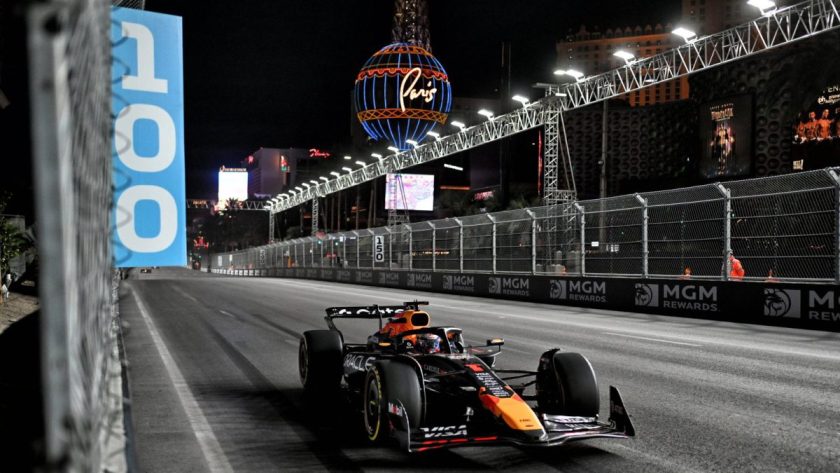
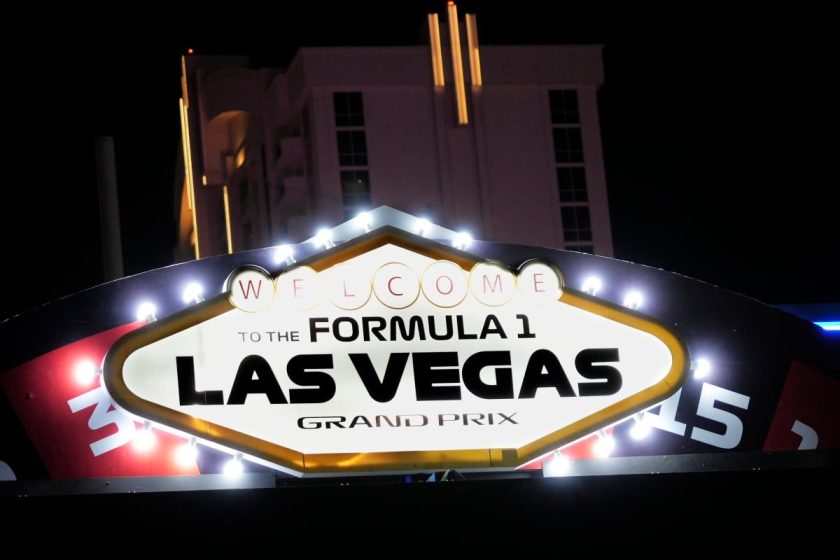
While some believe that Formula 1 should maintain a consistent set of races to preserve its heritage, the changeable calendar could bring benefits like reduced costs and improved fan experiences. The sport has a history of adding fresh venues, including returning favorites and new additions like Las Vegas, Qatar, and Saudi Arabia.
By exploring unfamiliar territory, Formula 1 continues to push towards its “ultimate limit”, as highlighted by racing expert Jennie Gow. A rotating calendar can help ease the economic burden on track operators and encourage new venues to enter the scene.
The sport relies on consistent investment to thrive on a global scale, making financial backing crucial for teams and drivers. Formula 1 can attract new funding and refine its product by venturing into new territories, benefiting from both fan engagement and enhanced partnerships.
In light of the pandemic, Formula 1 adjusted its calendar in 2020, paving the way for innovative solutions as the sport navigates unprecedented challenges.