P1racenews AI automatic summary:
Do past F1 regulation overhauls provide any clues for the upcoming 2026 season?
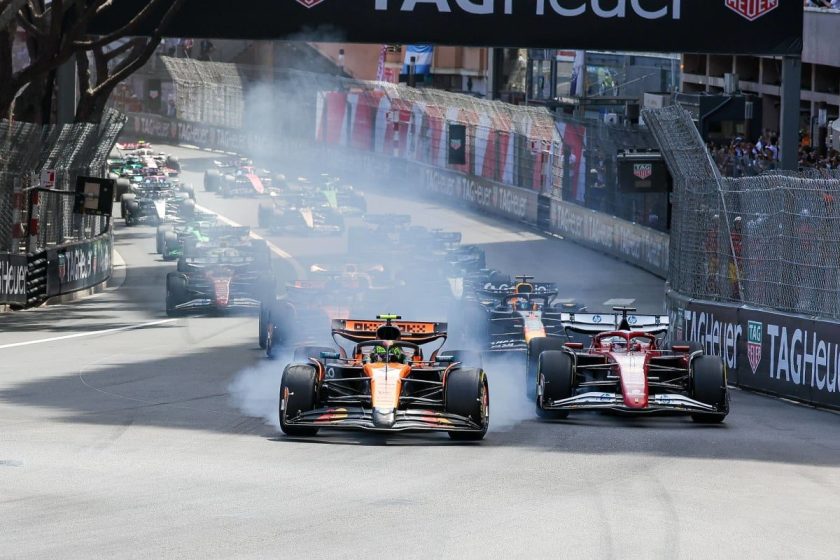
Formula 1 is entering a new era with significant changes set to begin at the Australian Grand Prix next weekend. In 2026, the sport has undergone a major overhaul with smaller and lighter cars featuring active aerodynamic components and new engines.
Following the conclusion of pre-season testing, there is immense curiosity surrounding the competitive order for what promises to be an unpredictable and exciting F1 season. Looking back at F1’s history, previous shake-ups like the aerodynamics overhaul in 2009 and the introduction of hybrid turbo engines in 2014 offer insights into the potential impact of major rule changes.
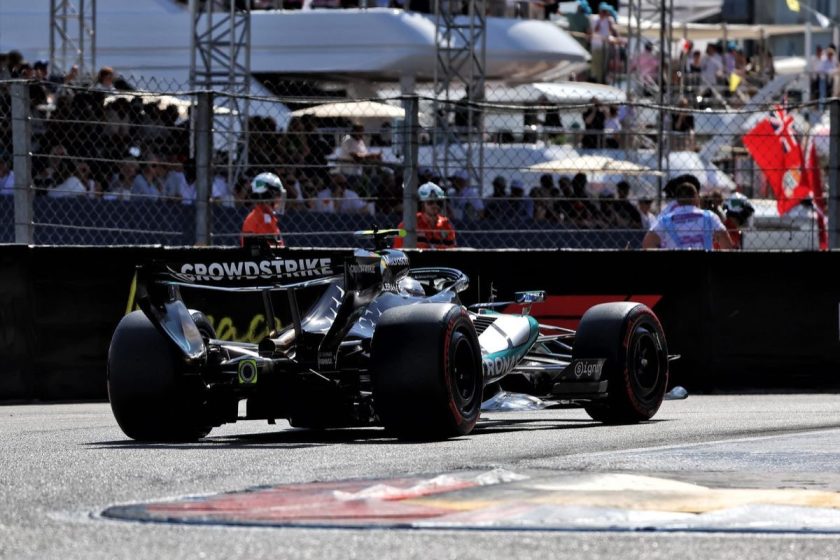
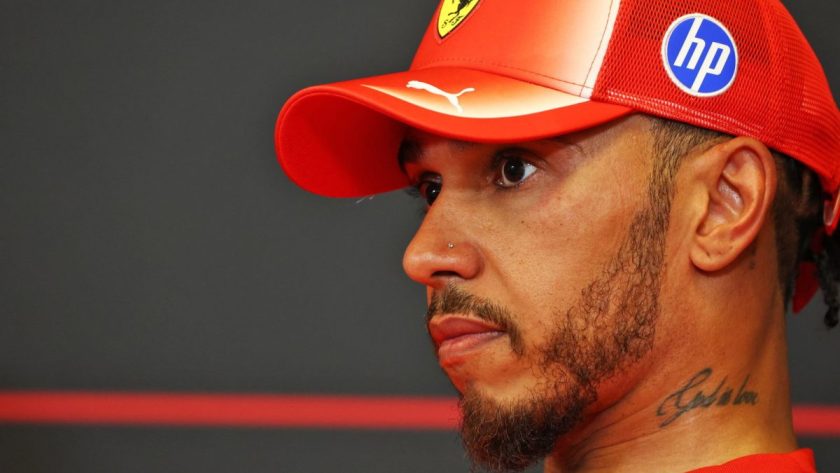
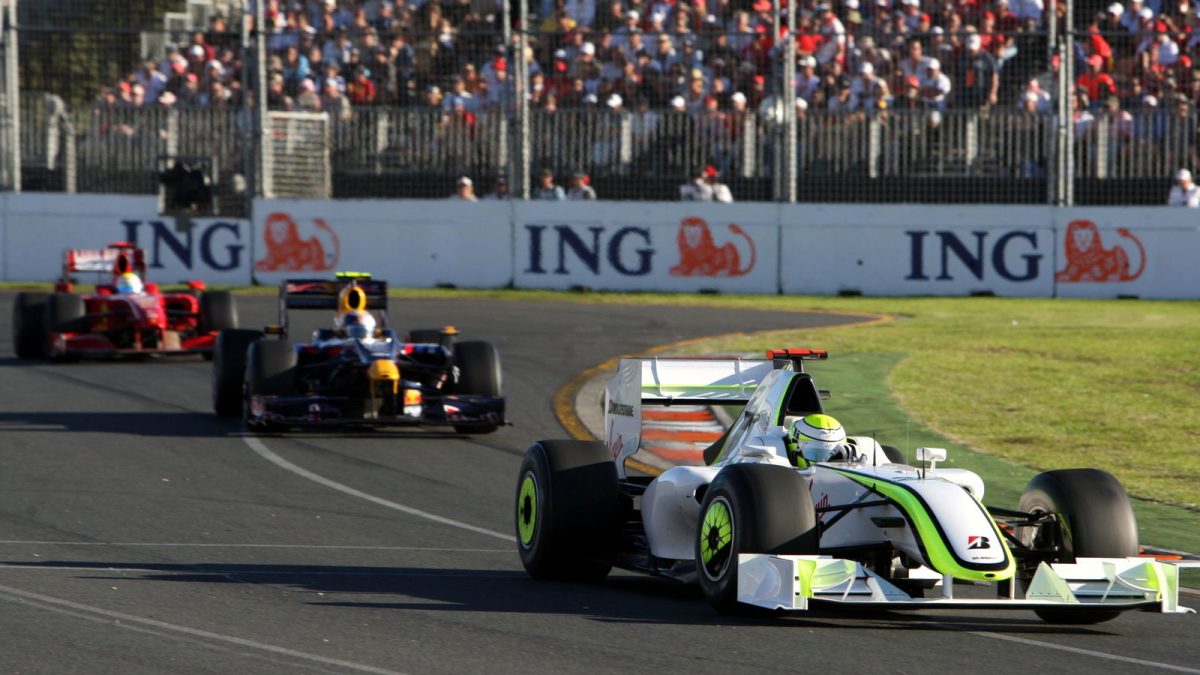
In 2009, Brawn GP capitalized on new regulations to secure a fairytale world championship victory, showcasing how innovation and early development can shape a season. Similarly, the switch to hybrid turbo engines in 2014 saw Mercedes and Lewis Hamilton dominate, highlighting the importance of manufacturer focus and resources in adapting to new regulations.
As F1 embarks on the 2026 season, fans can expect a thrilling and potentially transformative period for the sport as teams navigate the challenges and opportunities presented by the latest rule changes.