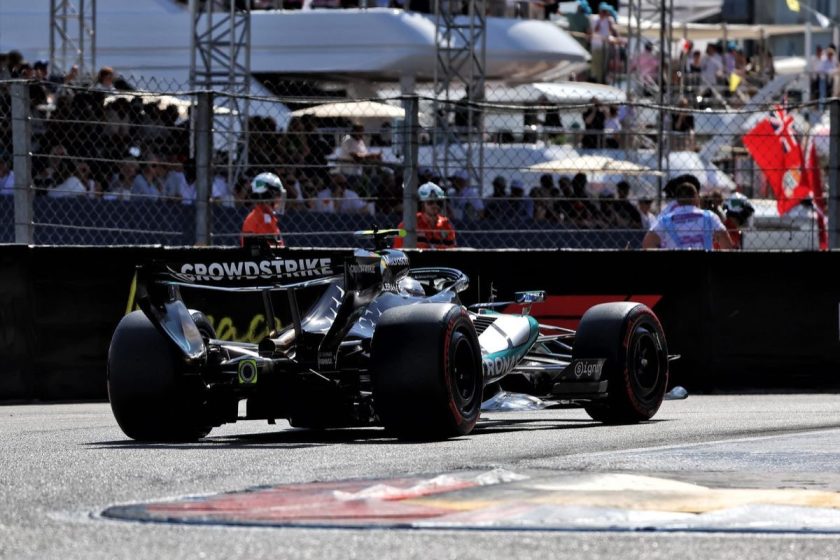
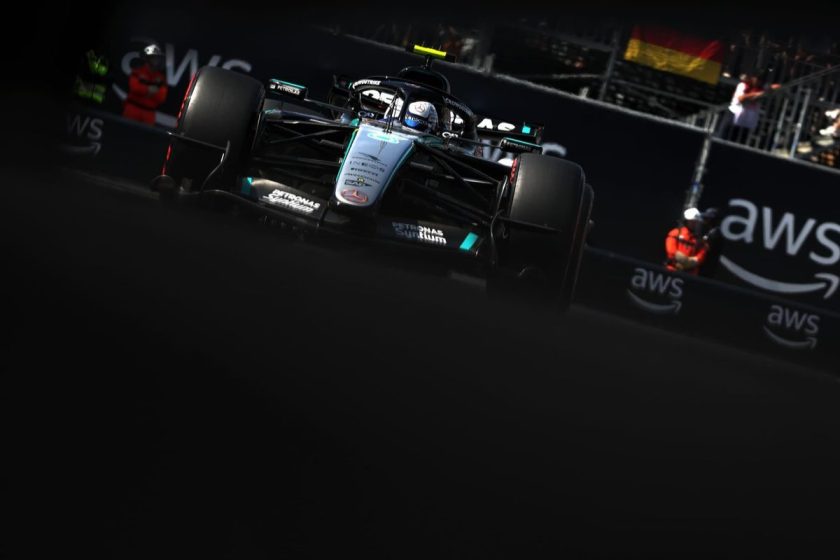
Starting with the Spanish Grand Prix this weekend, Formula 1 is implementing stricter testing regulations for front wings to limit the permitted flex under load. The previous limit of 15mm deflection under load, as stated in Article 3.15.4 of the technical regulations, is being reduced to 10mm. Over the years, aero-elasticity has been a point of interest, with teams designing bodywork to deform or flex in a controlled manner to gain aerodynamic advantages.
Materials science advancements have made it easier to predict and control the amount of flex in components like carbon fiber sheets. As teams seek for new performance gains and exploit aero-elasticity, the governing body is keeping a close eye on potential rule violations. McLaren’s rear wing flex during last season sparked scrutiny and led to new testing procedures being introduced to prevent such instances.
The aim of the new front-wing testing measures is to ensure fair competition and to continue monitoring and enforcing regulations on bodywork flexibility. To tackle the challenge of measuring wing flex accurately, a static load of 1000 Newtons will be applied to verify that deflection does not exceed 10mm. This phased approach allows teams to adapt without major component changes, promoting a level playing field in Formula 1.