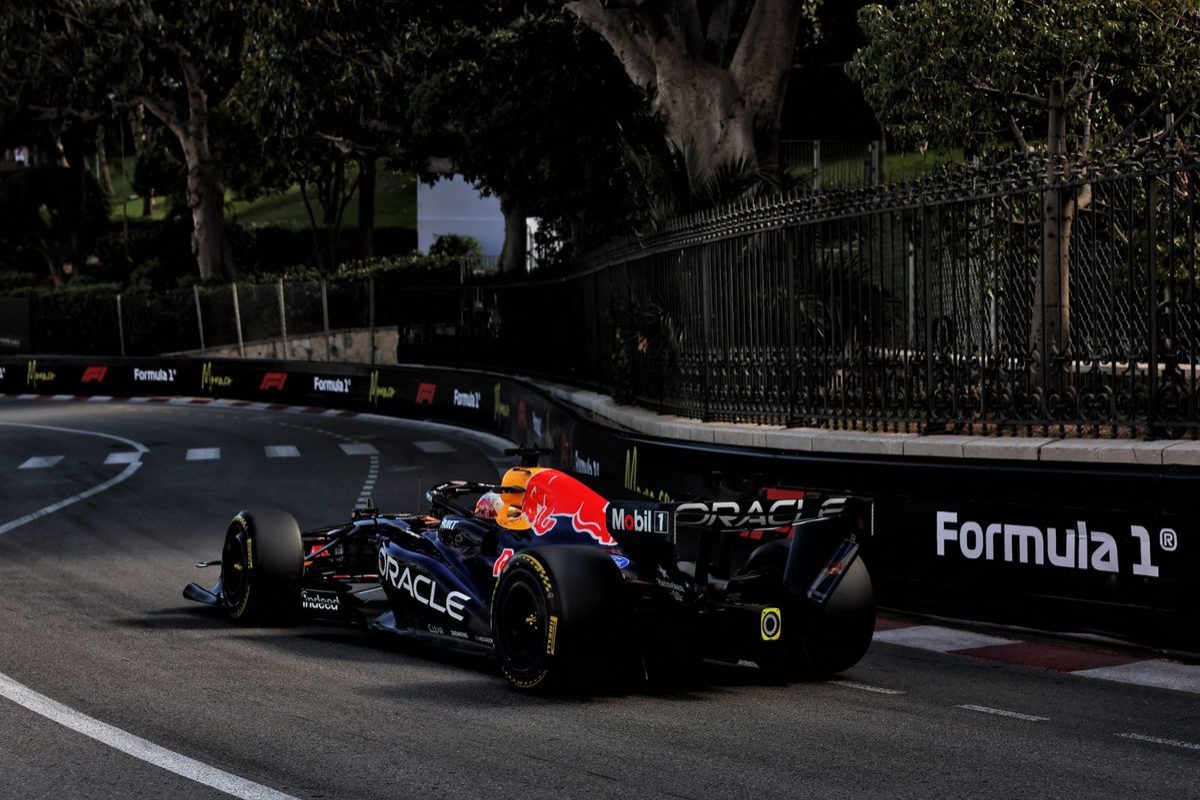
P1racenews AI automatic summary:
The Formula 1 field has felt somewhat predictable this season – but what does the data say?
The Formula 1 field has been somewhat predictable this season, with more two-by-two grids due to the dominant car/power unit combinations influencing performance significantly. Monaco Grand Prix is expected to be an exception, highlighting the increased importance of qualifying at this unique event. The perceived increase in ‘Noah’s Ark’ grids, with team-mates lining up two by two, raises questions about the competitiveness and unpredictability of the sport.
The level of predictability in Formula 1 affects the excitement and challenge for drivers, with greater disorder and unpredictability generally making the season more interesting. Analyzing qualifying results based on the average position gap between team-mates can provide insight into the grid’s orderliness and competitiveness. So far in 2026, the average gap of 2.6 places between team-mates is the second-lowest in the past 30 years, indicating a trend towards more closely matched teammates.
Comparing the current season to past years reveals a shift towards closer competition between team-mates, with 2026 showcasing a more competitive grid than previous seasons. The contrast between the final year of the previous rules cycle and the current season highlights the impact of regulatory changes on grid orderliness. Despite the expectation of significant shifts with new regulations, the transition hasn’t resulted in as dramatic a change as anticipated.