P1racenews AI automatic summary:
Formula 1’s ground effect regulations of 2022 to 2025 were the most thoroughly researched, systematically-written and well-conceived – but the teams still found ways to break them
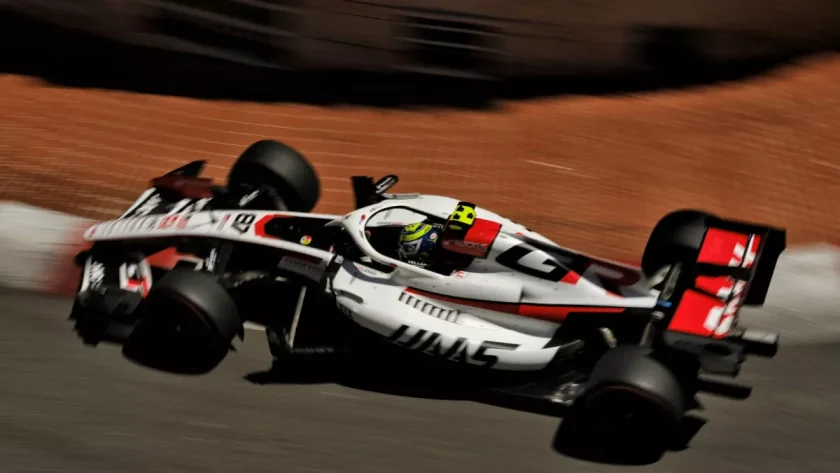
The Formula 1 ground effect regulations from 2022 to 2025 were the most comprehensive in the sport’s history, aiming to improve racing.
However, the resulting cars were challenging to race due to the difficulty in following closely.
While the cars were fast and demanded skill from the drivers, they struggled to provide exciting overtaking and often led to processional races.
Despite efforts to increase the ability to follow closely, teams found ways to exploit loopholes and prioritize performance over raceability.
The regulations aimed to reduce reliance on top-body aerodynamics in favor of ground-effect venturi-tunnels for generating downforce, but teams continued to pursue outwash aerodynamics, hindering the intended raceability improvements.
The constant battle between teams’ pursuit of performance and the sport’s goal of improving raceability ultimately led to the unintended consequences of the ground effect regulations in Formula 1.