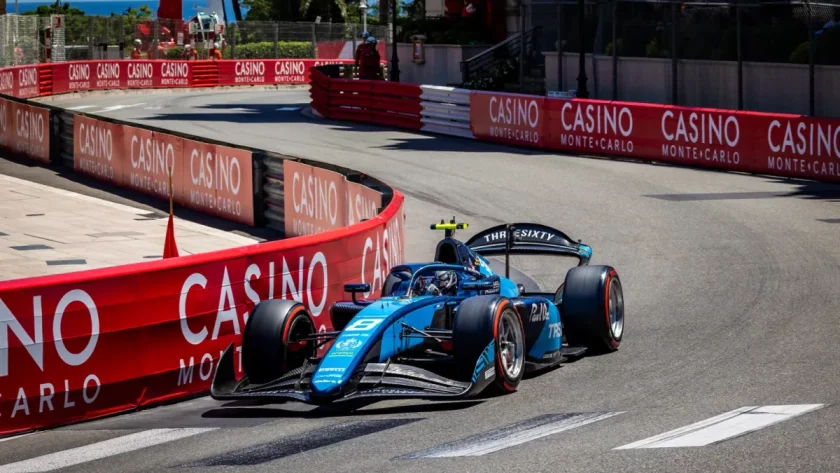
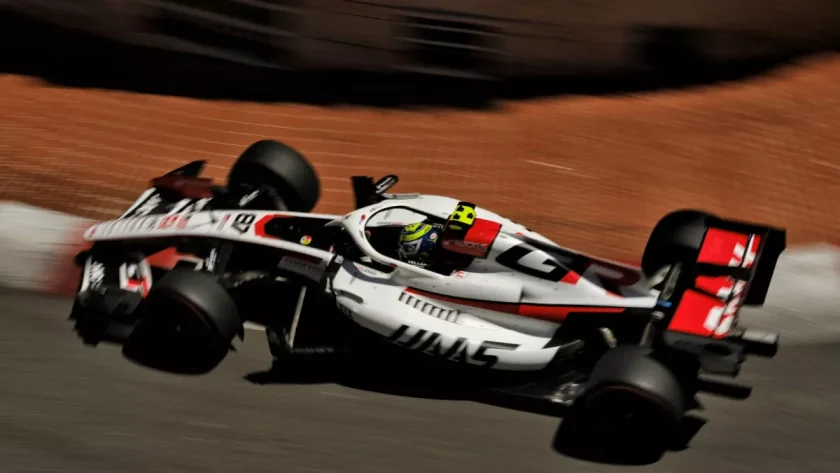
The mandatory two tire changes at the Monaco Grand Prix sparked mixed reactions among fans and experts alike. Some argue that the rule added excitement to the race by preventing a dull procession to the finish line, rewarding teams with strategic prowess. However, others believe the rule led to artificial racing and awkward strategies, diverting attention from true motor racing skills.
Despite the controversy, the new pitstop rule succeeded in shaking up the usual Monaco Grand Prix predictability and making the event more engaging. Teams had to adapt quickly and make strategic decisions to make the most of the rule, while spectators enjoyed a race with more variability in outcomes. The rule might not have turned the Monaco Grand Prix into an instant classic, but it served its purpose in injecting some unpredictability into the event.
Overall, opinions on the two-tire change rule were divided, with some praising it for adding an element of surprise and challenge to the race, while others criticized it for detracting from the essence of racing. The new rule proved that innovation is possible in Formula 1, but it remains to be seen whether it will become a permanent fixture in future races. Teams will undoubtedly analyze and adapt their strategies, potentially rendering the rule ineffective in the long run while raising questions about the impact of artificial interventions on the sport.