P1racenews AI automatic summary:
Esteban Ocon believes F1’s 2026 regulations will demand a completely new driving approach, comparing the experience to switching from an F1 car to a rally machine.
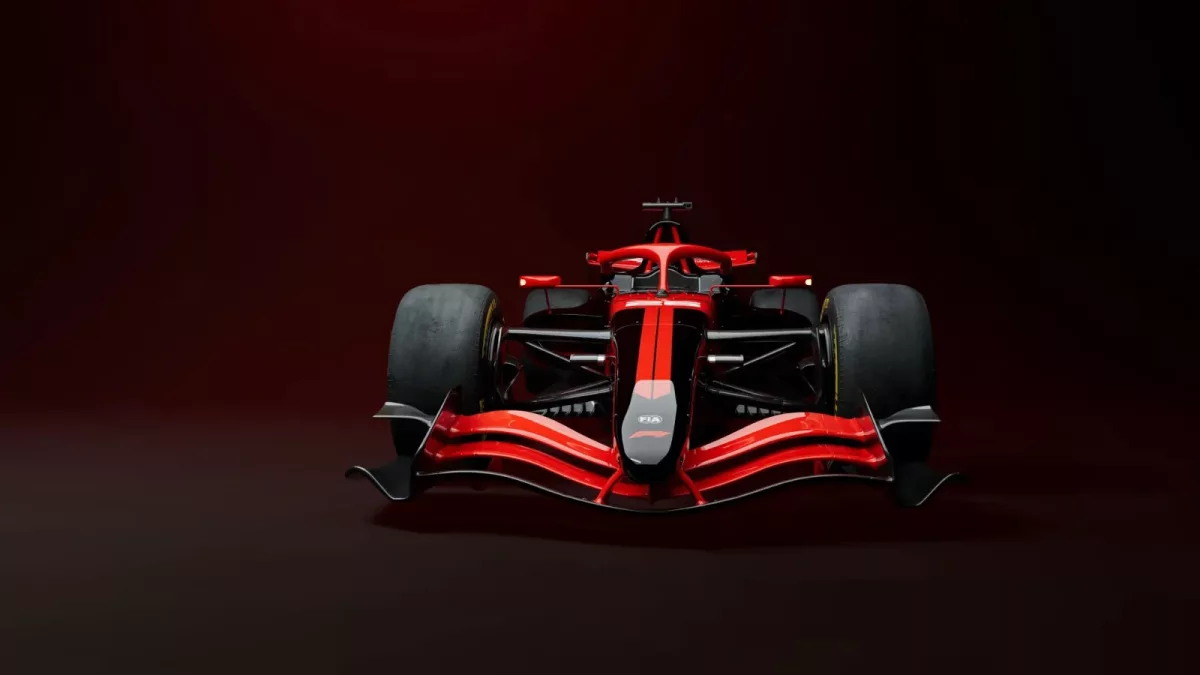
Esteban Ocon believes that the 2026 Formula 1 regulations will require drivers to adopt a completely new driving approach, comparing it to moving from an F1 car to a rally machine. The upcoming changes in 2026 will bring significant technical adjustments to both chassis and power units in Formula 1. These new rules aim to transform how performance is generated by the cars and how drivers approach racing. The reintroduction of moveable aerodynamics and an increased role of electrical energy in power delivery are expected. While straight-line speeds are anticipated to rise, cornering speeds may decrease, leading to an altered racing spectacle.
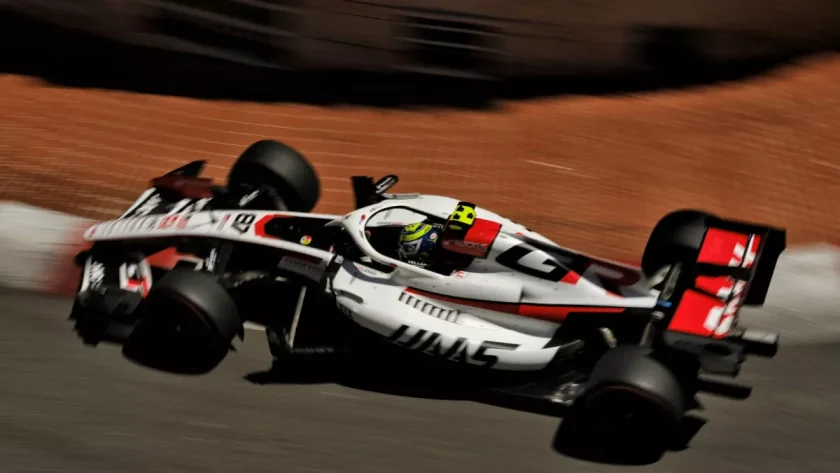
The focus on energy deployment and recovery will demand a shift in racecraft strategies, adding new challenges for drivers on the track. Ocon, set to race for Haas alongside Oliver Bearman, has already started to explore the forthcoming changes through limited simulator work. These changes mark a departure from the current ground-effect era, with a new emphasis on car balance and feel. Despite the initial uncertainty surrounding competitive dynamics, a wider performance spread and potential early advantages for teams seem plausible under the new regulations. Ocon foresees a steep learning curve ahead for drivers as they adapt to the demands of the evolving Formula 1 landscape.