P1racenews AI automatic summary:
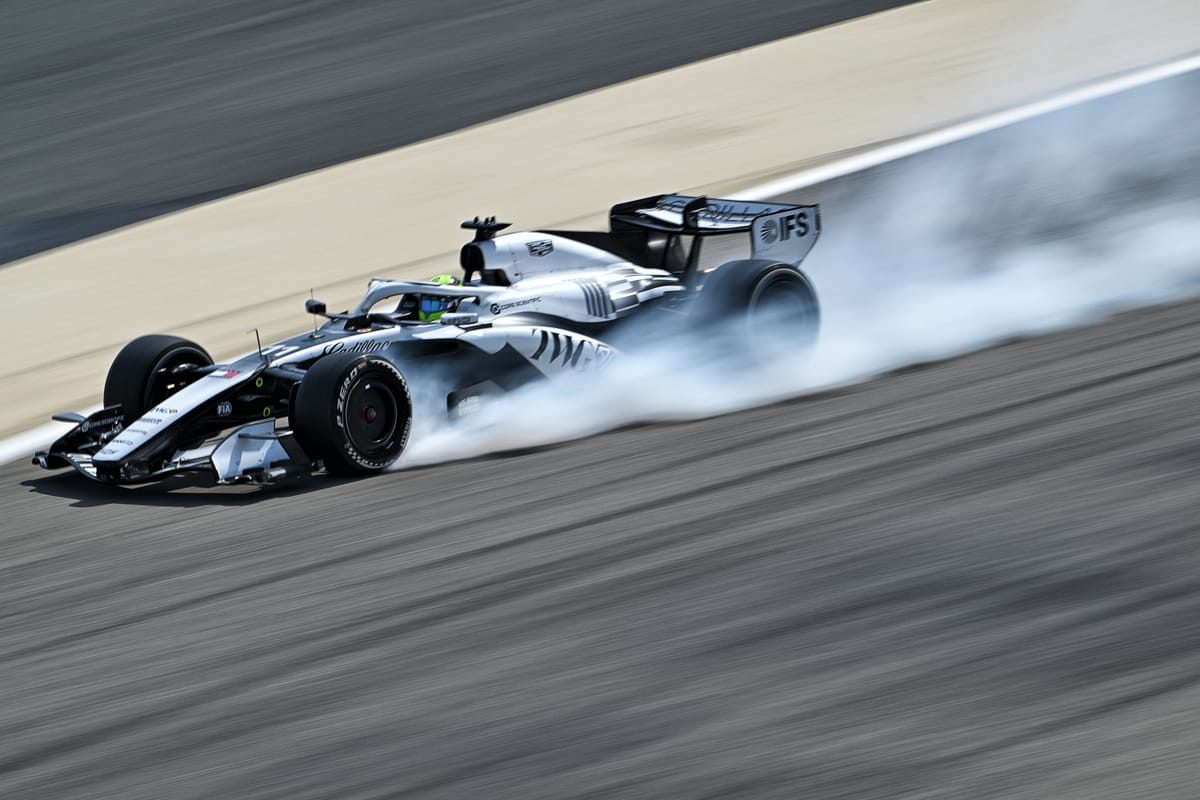
Increased rear-end instability and spectacular front locking seen in F1 testing shows just how challenging these 2026 cars are to get stopped
Throughout the recent two weeks of testing in Bahrain, Formula 1 saw a high number of lock-ups, indicating the challenging nature of the new 2026 cars under braking.
The increased rear-end instability and front locking were attributed to the new cars’ reliance on regenerative braking, with teams now emphasizing energy harvesting over traditional brake discs.
Teams and drivers are facing difficulties in adapting to the changes brought about by the higher MGU-K harvesting ability, with braking dynamics shifting significantly.
Brembo, the brake company working with all F1 teams, suggests that the braking challenges seen in Bahrain may persist as teams adjust to the new demands.
The shift towards regenerative braking has not only altered the braking approach but also affected racing lines and overall driving strategy for corner entries.
Additionally, the issue of rear brakes running too cold due to decreased energy levels poses a significant risk, highlighting the complex nature of adapting to the new braking dynamics in Formula 1.