P1racenews AI automatic summary:
RacingNews365’s technical analyst Paolo Filisetti, breaks down what McLaren and Mercedes were aiming to achieve with Canadian GP upgrades
Traditionally, F1 teams do not introduce large aerodynamic packages at the Canadian Grand Prix for two main reasons. The track’s characteristics, featuring medium-speed corners in the first and second sectors, dictate the aerodynamic setup. Additionally, the complex logistics of traveling across the North Atlantic make it more practical for teams to stick with configurations similar to those used in Saudi Arabia, with only minor adjustments.
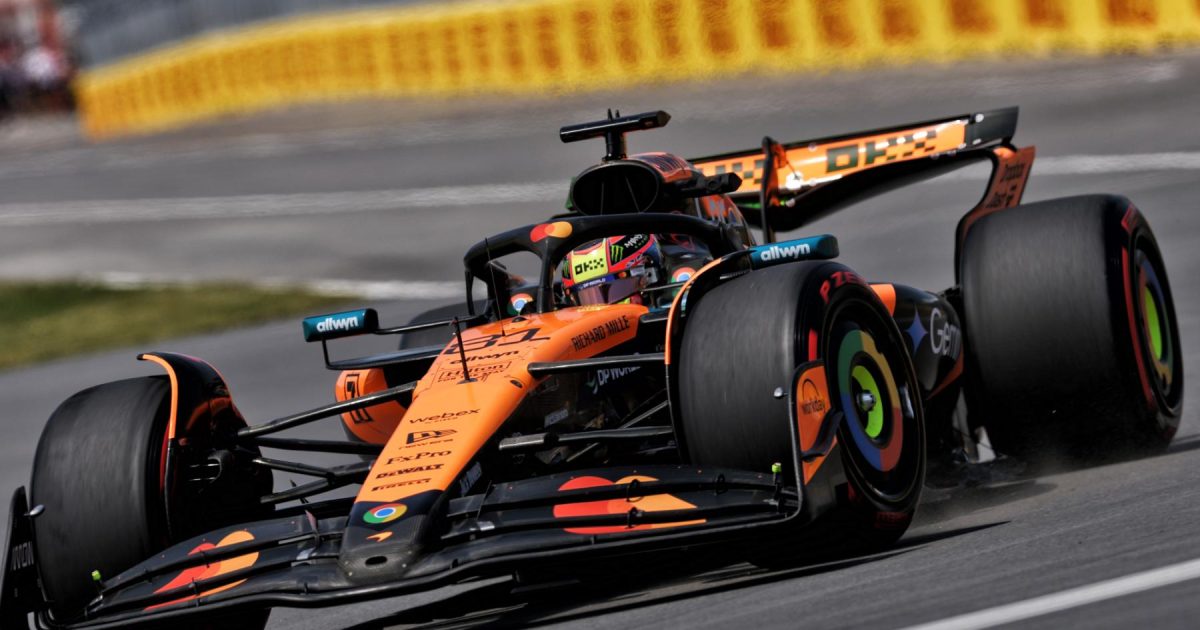
This year, top teams like McLaren have introduced “micro-aerodynamic” upgrades focusing on the front-end of the car. McLaren’s package includes modifications to the main plane of the front wing and the introduction of vortex-generating ‘curls’ at the endplates, designed to improve airflow diversion and outwash.
The concept of outwashing air from the front wing is reminiscent of Brawn GP’s successful strategy in 2009, aiming to direct turbulent air away from the leading edge of the floor and enhance downforce. While these upgrades may not significantly impact the front wing’s performance, they notably influence the overall aerodynamics of the car, particularly the floor.
Overall, the approach of delaying major upgrades until Europe remains a prevalent strategy for F1 teams, with meticulous attention given to aerodynamic enhancements that can optimize performance on specific tracks.