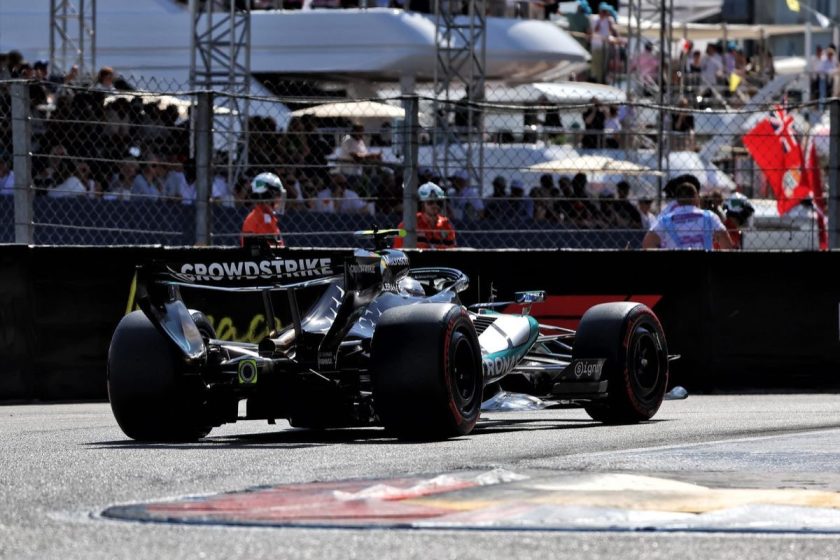
Starting from this weekend’s Spanish Grand Prix, the testing regime for Formula 1 car front wings will be intensified to limit allowable flex under load. According to Article 3.15.4 of F1’s technical regulations, the maximum deflection permitted for front wing flap areas will be reduced from 15mm to 10mm. Teams have been exploring aero-elasticity in car designs since the 1990s, utilizing controlled flex to potentially enhance performance and speed. Advances in materials science, like carbon-fiber composites, have enabled teams to optimize strength, weight, and predictable flex in components. The focus on aero-elasticity has resurfaced due to regulatory maturity, with stricter measures imposed to prevent performance gains through flexible bodywork, such as McLaren’s rear wings. The introduction of new front-wing testing procedures aims to maintain fairness and competitiveness among all teams, with a phased approach to allow for adaptation without unnecessary component replacements. Static load tests, rather than dynamic measurements, will be utilized to ensure compliance with the 10mm deflection limit under load.
Related posts
-

Revving Up for Glory: The F1 2026 Monaco Grand Prix Starting Grid Revealed
Kimi Antonelli will start the 2026 Monaco Grand Prix from pole position after winning a thrilling... -
Incredible Performances: Monaco Grand Prix 2026 F1 Qualifying Unveiled
Kimi Antonelli narrowly beat Max Verstappen's Red Bull to pole position in qualifying for F1's 2026... -
Thrills, Spills, and Determination: Recap of the Monaco Grand Prix Final Practice Session
Kimi Antonelli topped the final Formula 1 free practice session ahead of qualifying for the Monaco... -
Monaco Grand Prix: Lando Norris faces setback in pursuit of Ferrari dream
Ferrari continue to impress in Monaco as it secured a 1-2 finish at the end of... -

Racing Redemption: Pierre Gasly’s Glory Revived by Flavio Briatore’s Game-Changing Influence at Alpine F1
Pierre Gasly has lauded acting Team Principal Flavio Briatore for bringing his long-term vision for the... -
Flying High: The Unveiling of Franco Colapinto’s Spectacular Rise to Success
Franco Colapinto is finally showing just what he can do in Formula 1, following back-to-back finishes...