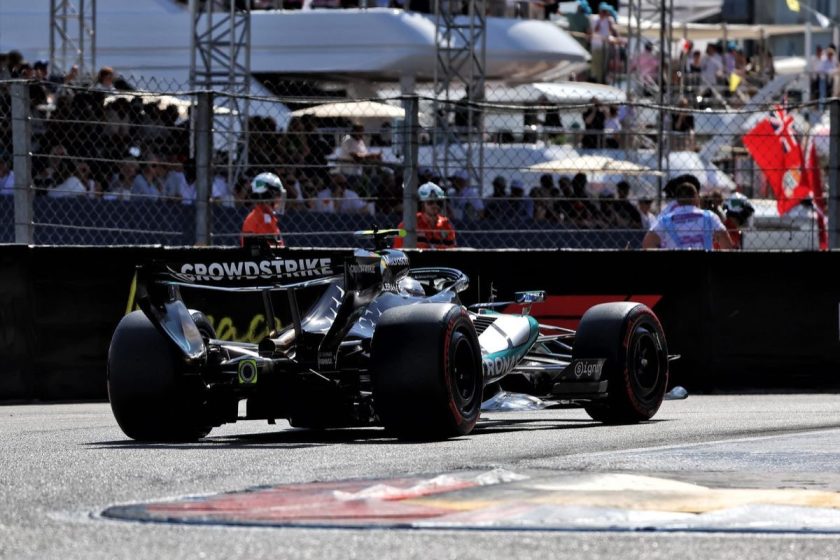
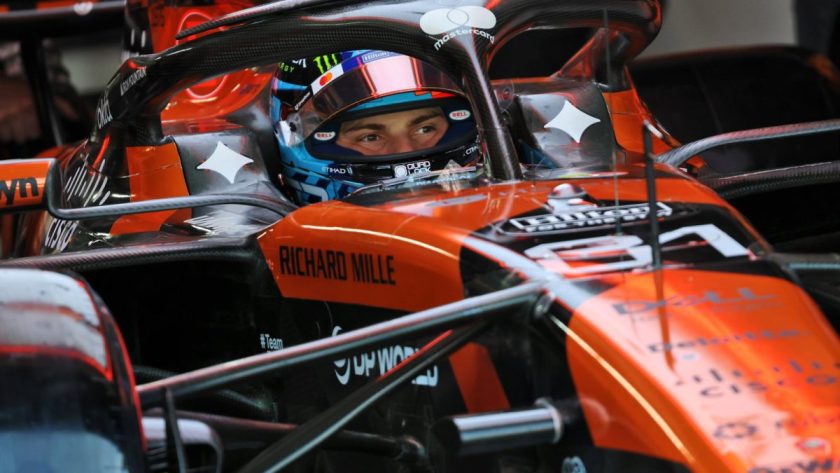
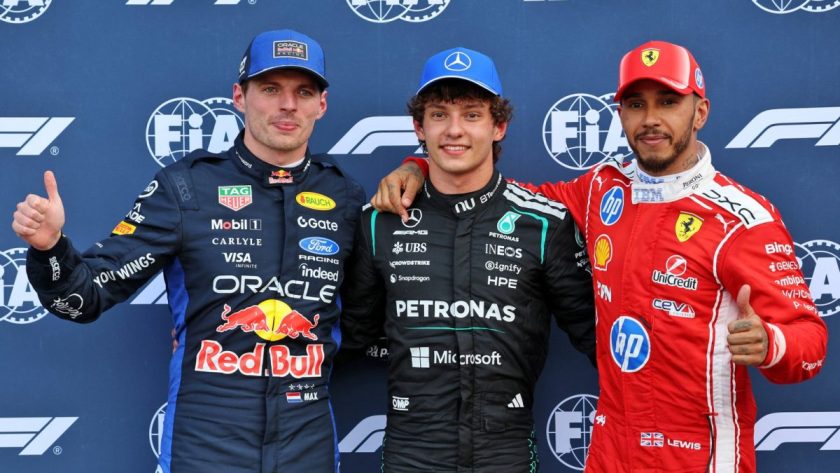
It seems that enforcing a two-stop minimum for the Monaco Grand Prix could be viewed as a contrivance initially, yet it could also serve as a plot-generating device had it been implemented 50 years earlier by Formula 1. The consequences of mandating an extra pitstop for each driver remain uncertain and could bring significant impacts or prove to be inconsequential.
Despite the requirement for a second pitstop, drivers are not obliged to switch to the C6 tire during the race; they retain the freedom to choose their compounds based on race conditions and strategy. The utilization of pitstops will differ among teams, with those at the front likely to be more risk-averse due to more to lose, while rear-positioned teams may opt for an early stop for a chance at running laps without traffic interference.
The varied strategies employed and the possibility of external factors like safety cars or virtual safety cars disrupting plans introduce countless permutations and challenges for race teams. In Monaco, where track position holds immense significance, strategists will need to innovate to optimize their approaches amid the strategic uncertainties posed by multiple pitstops.
Drivers’ decisions on when to pit will heavily depend on the evolving race dynamics, with potential for undercuts, overcuts, and reactive strategies based on rivals’ actions. The strategic landscape differs for front-runners and those trailing, with the pursuit of early advantages, tactical maneuvers, and adaptability forming crucial elements in navigating the race scenarios.