Prior to the Monaco Grand Prix this year, there was a mystery surrounding how Formula 1 teams would handle a second tyre stop without the safety car. The race was characterized by midfield teams strategically slowing down to stretch the field, much to the disappointment of fans expecting a thrilling Monaco spectacle. Racing Bulls led the way by using Liam Lawson to create a gap for Isack Hadjar, allowing both drivers to pit without losing track position.
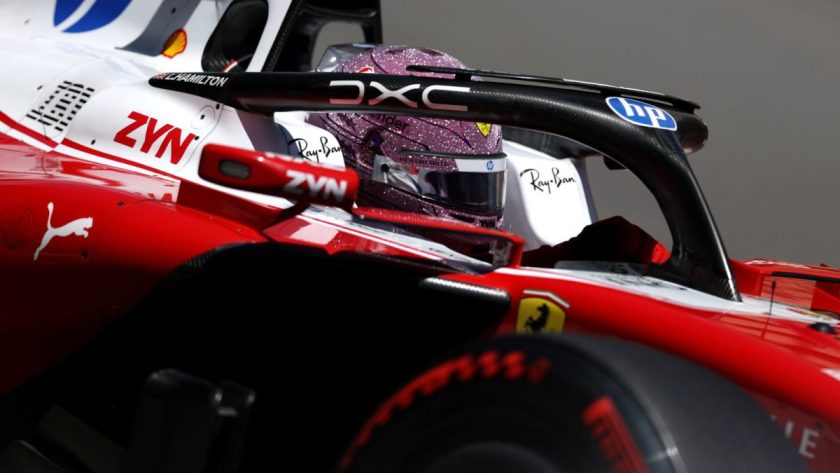
Despite the risk involved in this strategy, other teams, including Williams, followed suit, ultimately benefiting from the gap-stretching tactic. Lawson actively worked to increase the gap from early on, deliberately slowing down during virtual safety car periods to build a significant lead. This technique was also employed by Ferrari’s Lewis Hamilton to secure a pit stop opportunity for Charles Leclerc.
Following a successful pit window manipulation, Hadjar managed to complete both required stops early on, thanks to a well-executed plan by Racing Bulls. Lawson, albeit slower after his own pit stops, played a crucial role in creating further opportunities for his team. Ultimately, Racing Bulls’ strategic play led to a chain reaction among other teams, resulting in a calculated and successful race at Monaco.