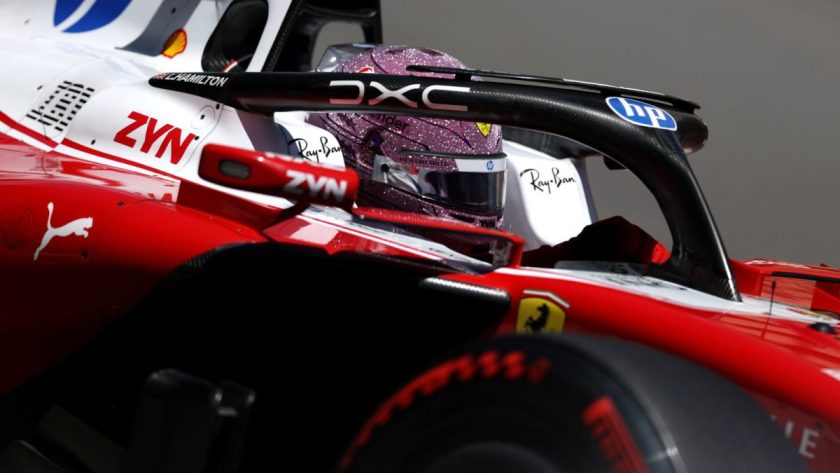
Formula 1’s current rules have led to the closest grid in history, where even minor upgrades can be game-changers, impacting whether a team scores points or gets eliminated in Q1. The stringent regulations on spending and aerodynamic testing have made the margin for error in the development process even smaller, requiring precise integration across all departments involved in the updates.
Racing Bulls, situated in Faenza and Milton Keynes, has navigated the tight midfield with precision. The team’s approach involves building nearly everything in-house, with over 500 staff in Faenza and 200 in Milton Keynes. Their five-step journey from aero concept to on-track implementation showcases the level of detail and coordination required.
Beginning with aerodynamics, every performance upgrade originates from ideas conceptualized by Racing Bulls’ aerodynamicists. Most aero staff are located at the Milton Keynes campus for easy access to Red Bull’s wind tunnel to design and produce 60 percent scale models of new aero surfaces. Under F1’s budget constraints, teams must operate efficiently and accurately to maximize output within limitations.
Matteo Piraccini, Racing Bull’s operations director, emphasizes the importance of CFD evaluation in selecting the most effective aero solutions. The collaboration between aerodynamicists and VPG ensures that viable aero surfaces undergo comprehensive simulations to enhance on-track performance factors. This meticulous process highlights the significance of translating theoretical aero numbers into practical circuit benefits.
In the era of the 2022 ground-effect cars, teams like Racing Bulls face challenges in optimizing upgrades for real-world gains. The struggle to align virtual data with tangible results is evident, not only for smaller teams but also for prominent outfits like Ferrari and Aston Martin. Performance managers play a crucial role in approving minor adjustments based on the upgrade package’s scope, underscoring the intricacies and demands of modern F1 competition.