P1racenews AI automatic summary:
Formula 1’s latest changes to the engines for the Monaco Grand Prix is the symbol of a sport with glaring issues
Have you ever seen Formula 1 in such a state where the pinnacle of motorsport appears as a shadow of its former self? Sadly, F1’s decline began in 2010 with small rule changes and gimmicky introductions leading to Monaco Grand Prix alterations that were so absurd it felt like an April Fool’s joke.
F1 banned refuelling in 2010, which led to bigger cars, longer cars, and increased difficulty in overtaking. To address this, DRS and KERS were introduced in 2011, pushing F1 towards gimmick territory. In 2014, hybrid engines replaced the iconic V8s, altering the sound of F1 significantly.
As the years passed, Pirelli struggled with rain tires, safety cars cleared water until tracks were nearly dry, and visibility issues increased due to spray from cars. Controversial rules, like the 50/50 engine split, introduced push to pass zones and faced backlash from drivers and fans.
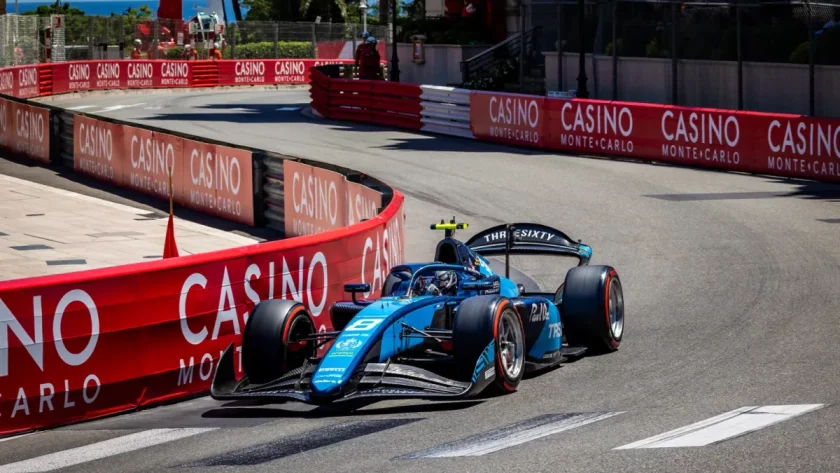
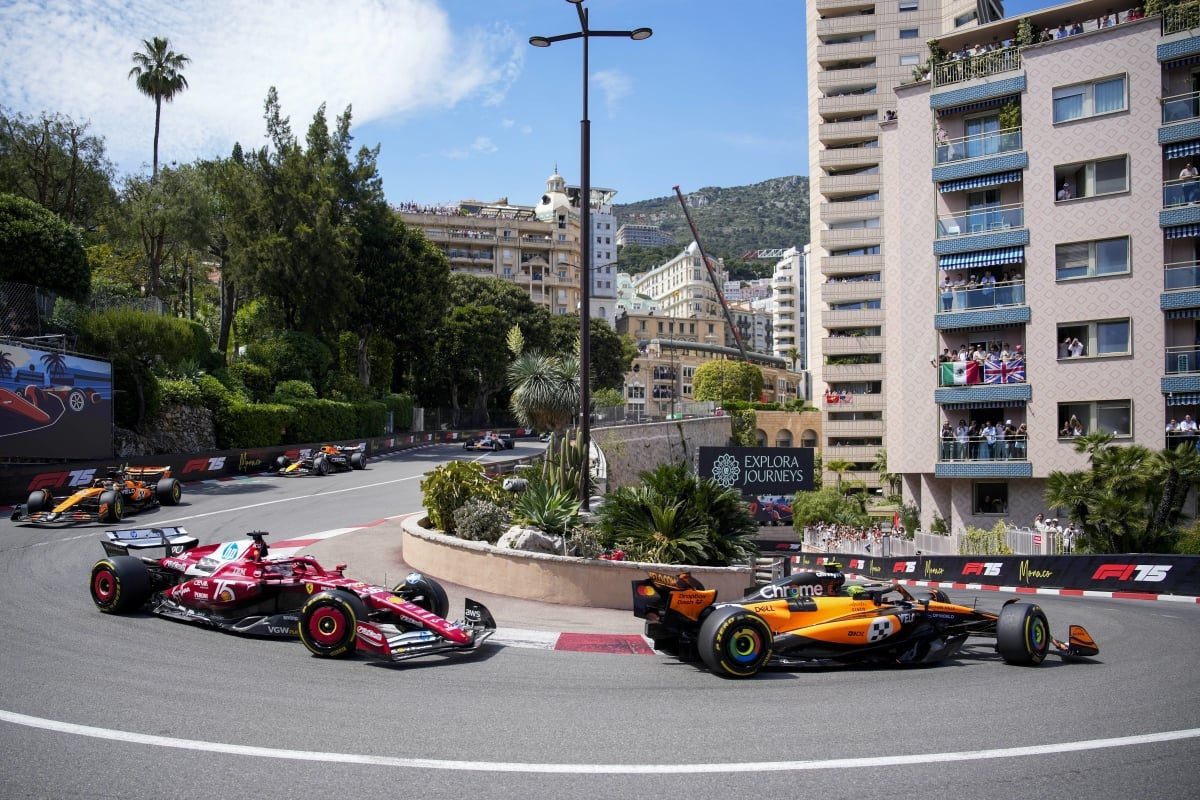
Even the famed Monaco Grand Prix faced challenges with cars becoming too overpowered on its tight circuit, prompting further adjustments. Overall, the state of F1 reflects a series that has strayed far from its glory days, leaving fans and drivers alike disillusioned.