P1racenews AI automatic summary:
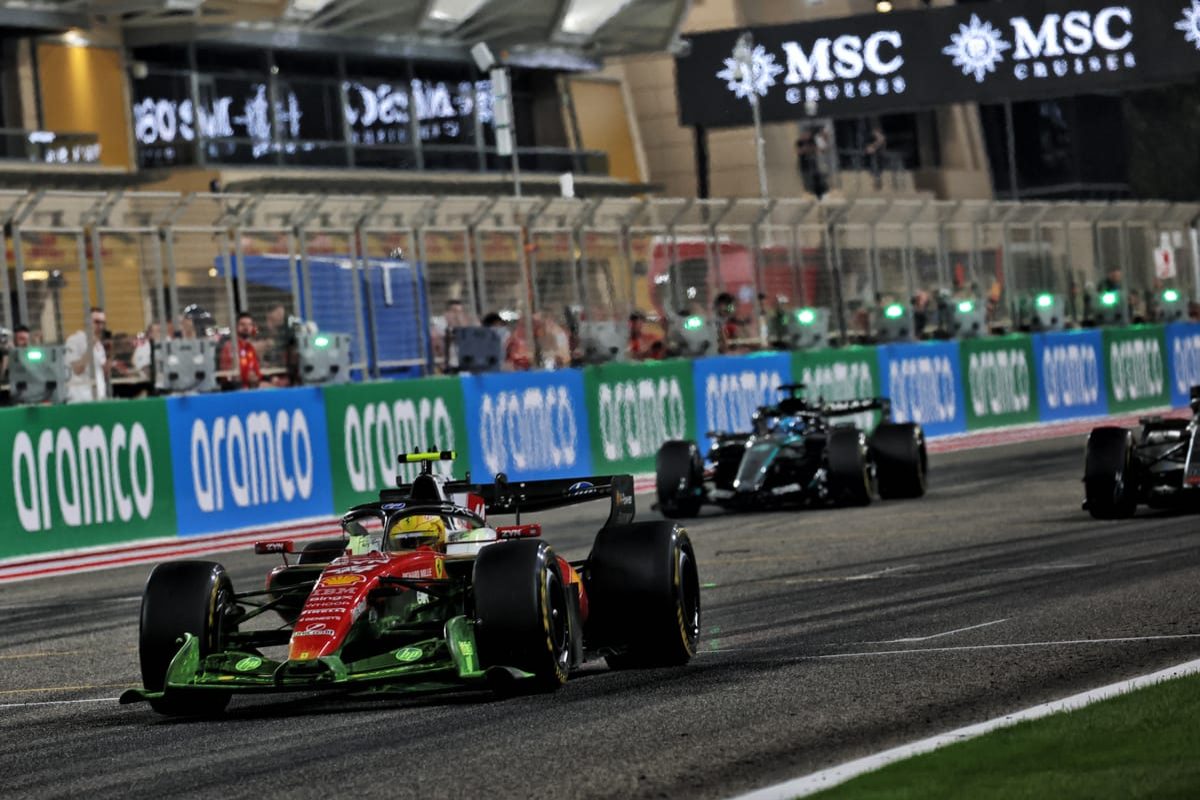
Ferrari provided lots of eye-catching moments in F1 2026 testing, including on dummy race starts. Gary Anderson explains why one of Ferrari’s engine design choices has set it apart
Ferrari’s impressive performance during Bahrain testing has showcased their unique approach to the 2026 design decision in Formula 1, deviating from their power unit manufacturer competitors.
Since the hybrid F1 regulations started in 2014, engine manufacturers have had to balance the turbocharged internal combustion engine (ICE) output with electrical output and harvesting.
The previous F1 turbo layout included an electrical motor on the turbo shaft for power generation, which was eliminated for the 2026 regulations.
Calculating the ideal balance between turbine and compressor volume, as well as managing losses due to exhaust gas flow variations, is crucial in determining the turbo size.
With the removal of the MGU-H, teams must now reconsider their turbo sizing strategy to optimize performance and power output in the absence of the electrical motor’s functions.