P1racenews AI automatic summary:
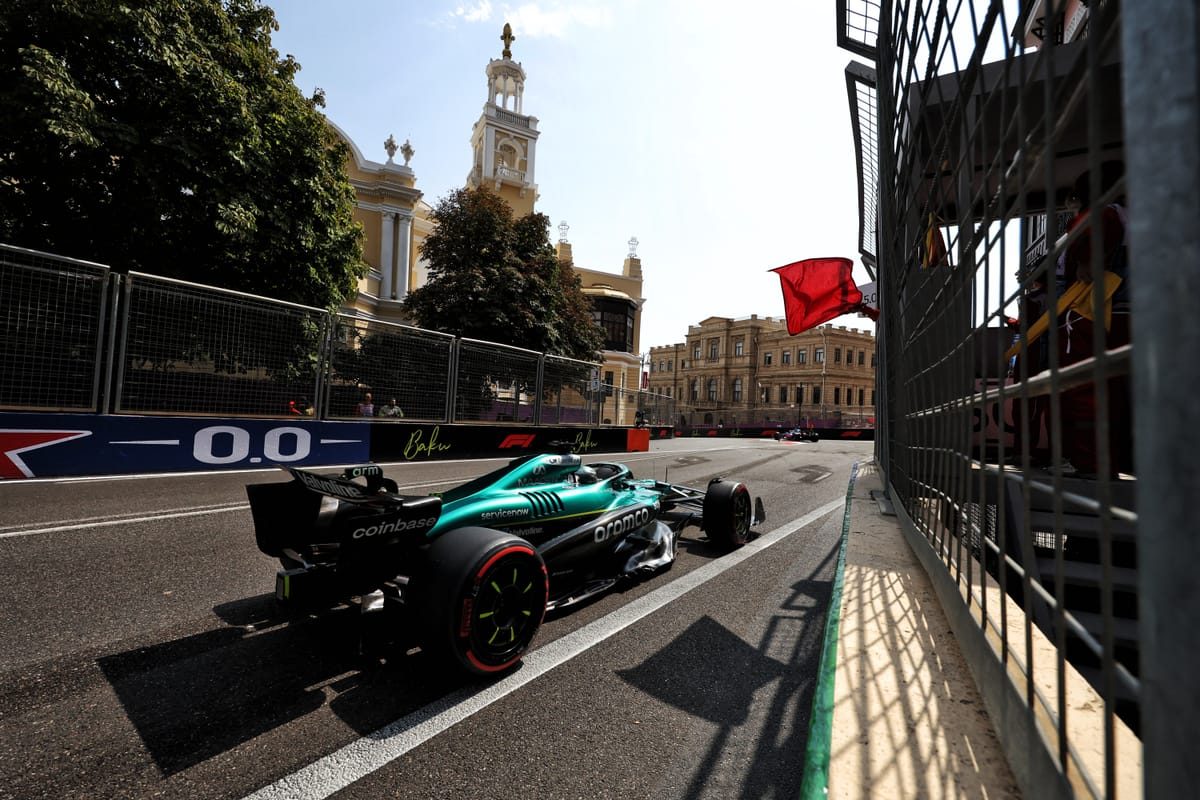
There were six red flags in F1 qualifying at the Azerbaijan GP, which inevitably meant some drivers had their laps ruined through no fault of their own. Gary Anderson proposes a solution to that injustice
During the Azerbaijan Grand Prix qualifying session, there were a record six red flags, leading to instances where drivers were unfairly impacted by stoppages caused by others. This issue is not unique to Baku and could occur again, potentially in the upcoming Singapore Grand Prix qualifying session.
The current flag regulations have varying requirements for driver responses, such as slowing down, slowing substantially, or stopping immediately. To address these inconsistencies, a proposal is made to introduce a specific percentage reduction for yellow flags, which can be adjusted based on the situation.
A comprehensive review of the flag system, both in qualifying and races, is necessary to implement consistent and clear rules. It’s suggested that the revised systems be tested in practice sessions to ensure familiarity among teams and drivers, minimizing uncertainty after incidents.
To facilitate fair competition and ensure every driver has a chance to complete a lap after stoppages, the proposed rule changes aim to streamline how incidents of different severities are managed. By setting specific protocols for varied track excursions, such as small off-track incidents or major accidents, the goal is to maintain order and reduce disruptions to driver runs.
For instance, minor off-track incidents could trigger a 10% speed reduction under a single waved yellow flag, while major excursions resulting in significant car damage may require a 20% speed reduction under a double waved yellow flag. In cases of severe crashes with substantial car damage, a red flag/red lights protocol should be enforced to ensure safety and proper handling of the situation.