P1racenews AI automatic summary:
Mercedes made a policy of not allowing strategy divergence when its drivers were fighting for F1 titles. McLaren’s doing the opposite. Will it backfire?
McLaren team boss Andrea Stella has emphasized the challenges his team has faced in Formula 1, despite their success in creating a dominant car and having two drivers competing for the world championship title.
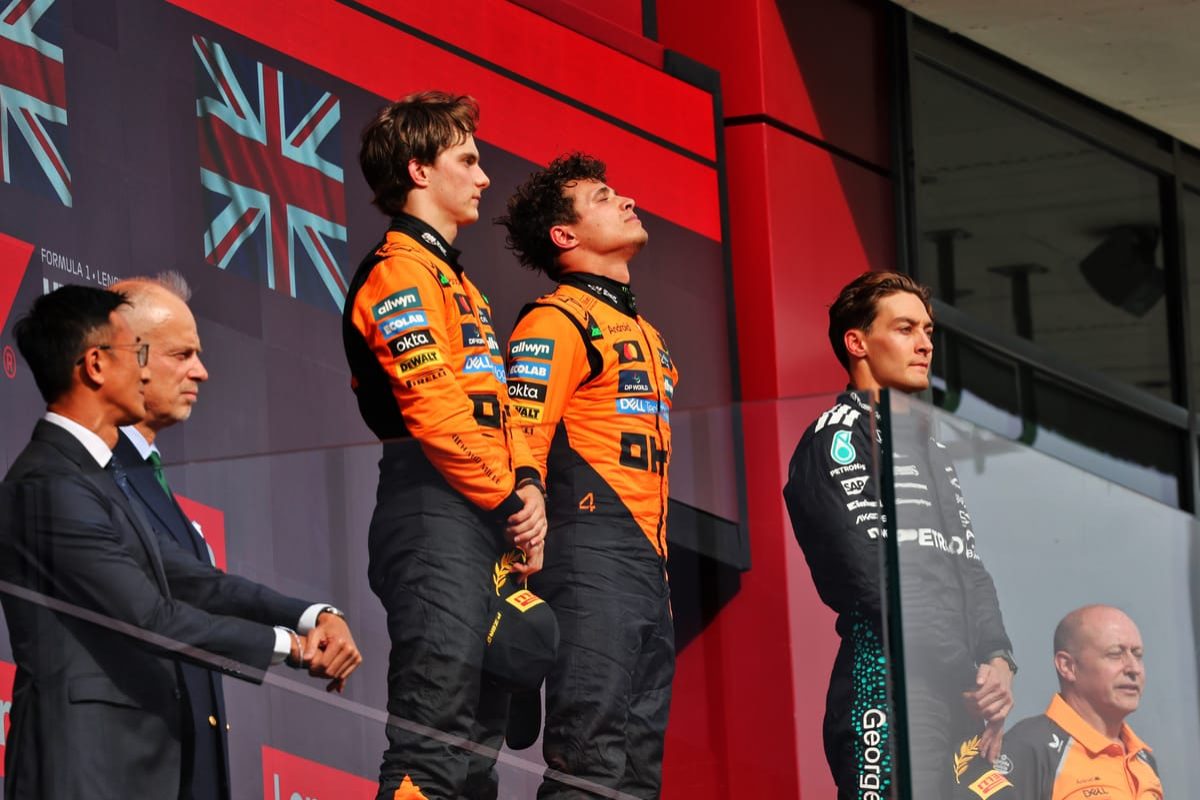
The debate around Lando Norris’ one-stop strategy victory over Oscar Piastri at the Hungarian Grand Prix has highlighted the complexities McLaren finds itself in, balancing between treating drivers equally and making tough decisions that may not align with all parties’ interests.
The team had to navigate a fine line between fairness and competitiveness, especially in situations where strategic decisions have a direct impact on the outcome of the race.
Stella acknowledged the inherent difficulties in managing diverging interests among drivers and the team, a challenge that cannot always be resolved by aligning everyone’s interests perfectly.
The outcome in Hungary underscored the intricacies of strategic decision-making in Formula 1, where what seems clear in hindsight may not have been apparent in the heat of the moment when crucial choices had to be made on the pitwall.
Despite the controversies and differing perspectives on the Hungarian Grand Prix outcome, McLaren’s commitment to offering strategic equality to both drivers remains a core principle guiding their approach to race management and decision-making in a competitive environment.