P1racenews AI automatic summary:
The World Endurance Championship’s Interlagos round wasn’t just dull. It was a farce, says Thibaut Villemant – who asks whether BoP has reached its natural limit
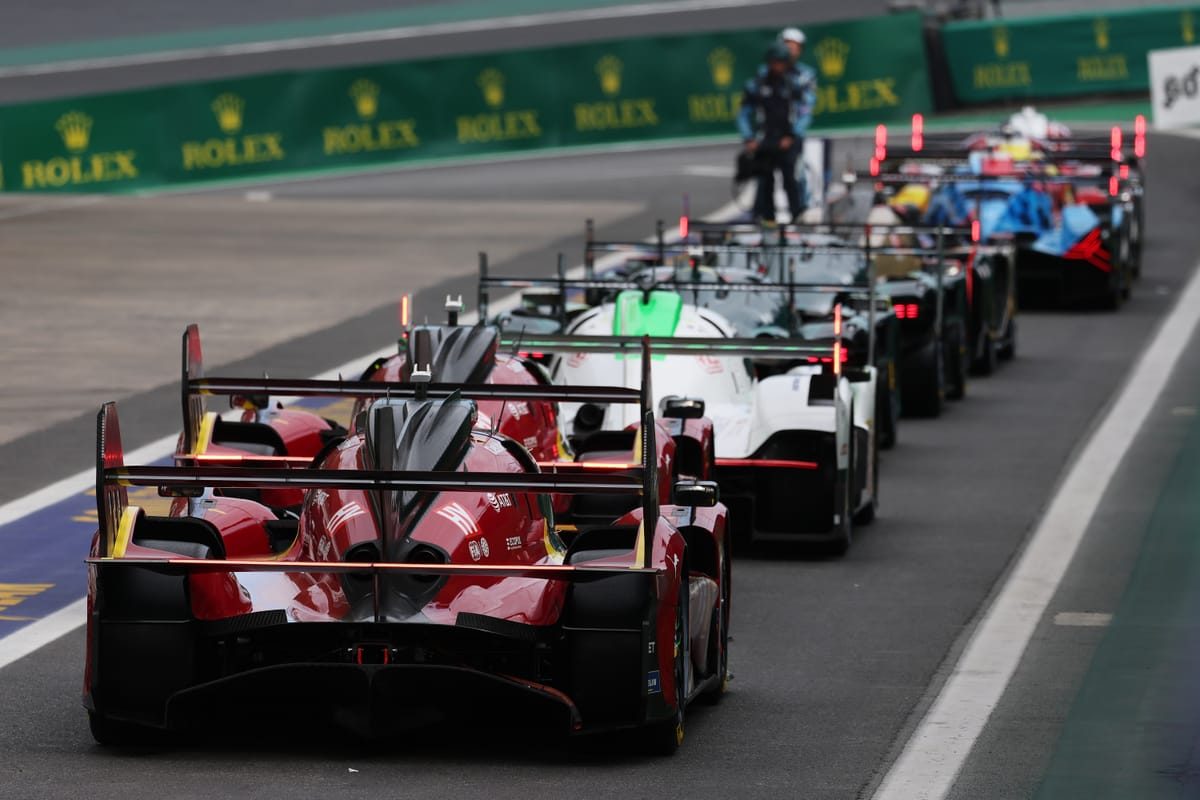
After the finish of the World Endurance Championship’s São Paulo 6 Hours last Sunday, a member of the Alpine Endurance Team shared a remark that was as amusing as it was disheartening: “Back in March, we told ourselves that if we could fight with Ferrari and Toyota in the second half of the season, it would be a sign we’d done a good job.” In both qualifying and the race, the Alpine A424s were ahead of one or even both factory Toyotas and Ferraris, but ended up in 15th on the grid and ninth at the finish line, highlighting the unpredictability of the 2025 season.
The Balance of Performance (BoP) system, accepted but criticized, aims to create a level playing field among cars of different designs, reducing development costs significantly. This system, while necessary to maintain competitive racing, has led to mixed reactions within the WEC community. BoP was introduced to limit cost and slow down the development race in the top class, allowing for a more sustainable and competitive field.
While fairness in sport is a constant debate, governing bodies often intervene to maintain interest and competition. Motorsport faces unique challenges, as performance is influenced by both drivers and machines, prompting the need for mechanisms like BoP to ensure a balanced competition. Despite the criticisms, these systems are crucial in fostering diverse grids and ensuring that the best talent can shine on the track.