P1racenews AI automatic summary:
Ex-F1 technical director Gary Anderson explains what F1 got right and wrong about its 2022-25 rules and the mistake it risks repeating for the new rules
The 2022-25 ground effect regulations fell short of expectations due to delayed reaction by the FIA to fix flaws in the rules. Improving cars’ ability to follow closely proved challenging from the start, despite noble intentions and thorough research conducted by F1 and the FIA, with experts like Pat Symonds and Ross Brawn contributing valuable insights.
Although the introduction of ground effect floors aimed to enhance aerodynamic stability and limit outwash, unanticipated issues arose, such as the critical nature of the floor edges due to cars running extremely low. Concerns like porpoising initially plagued drivers, leading to fears of spinal injuries, yet adjustments to regulations regarding floor edges helped mitigate these risks.
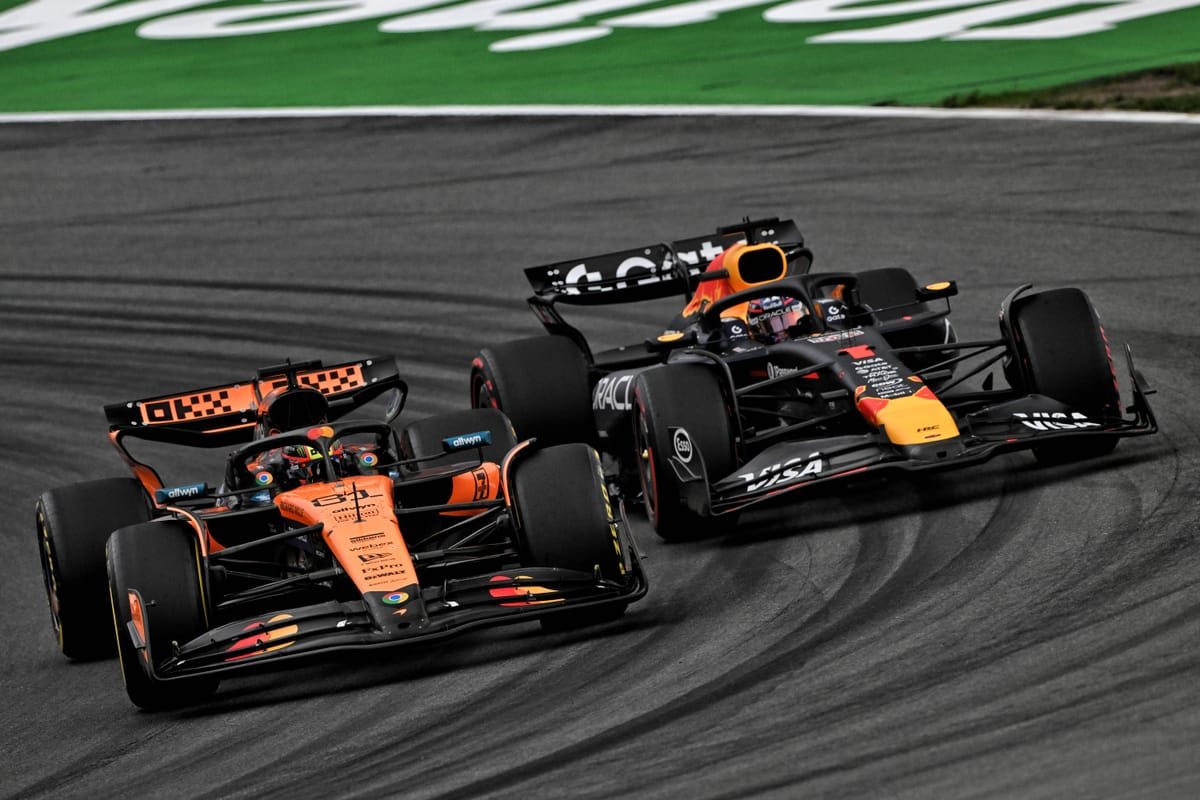
Teams eventually discovered ways to reintroduce outwash, bypassing rules by implementing designs like side vortex generation and front wing endplate slots, prompting a need for stricter enforcement by the FIA. The pursuit of higher downforce levels ultimately hindered racing quality, culminating in processional races with predominant DRS trains by the end of 2025.
While closer grid competition was achieved, indicating some success with the regulations, the overarching goal of facilitating competitive and exciting racing fell short of realization. Despite incremental improvements, the regulations failed to fully address the core issues, underscoring the ongoing challenges faced in balancing technical innovation with competitive parity in Formula 1.