P1racenews AI automatic summary:
Technical analyst Paolo Filisetti casts his eye over a minor, yet potentially magic development on Red Bull’s RB22.
The analysis of aerodynamic solutions adopted across the field highlights the primary aim of heat dissipation and provides indications of managing airflow around the car early on.
Aston Martin’s aerodynamics, especially at the rear and engine cover, stood out with a reduction in volume and large cooling vents at the base of the engine cover, revealing intricacies in bodywork design.
Teams are transitioning from launch specs to more aggressive designs for the first race in Australia, with evolving F1 cars showing advancements over the basic Barcelona shakedown configurations at the Bahrain test.
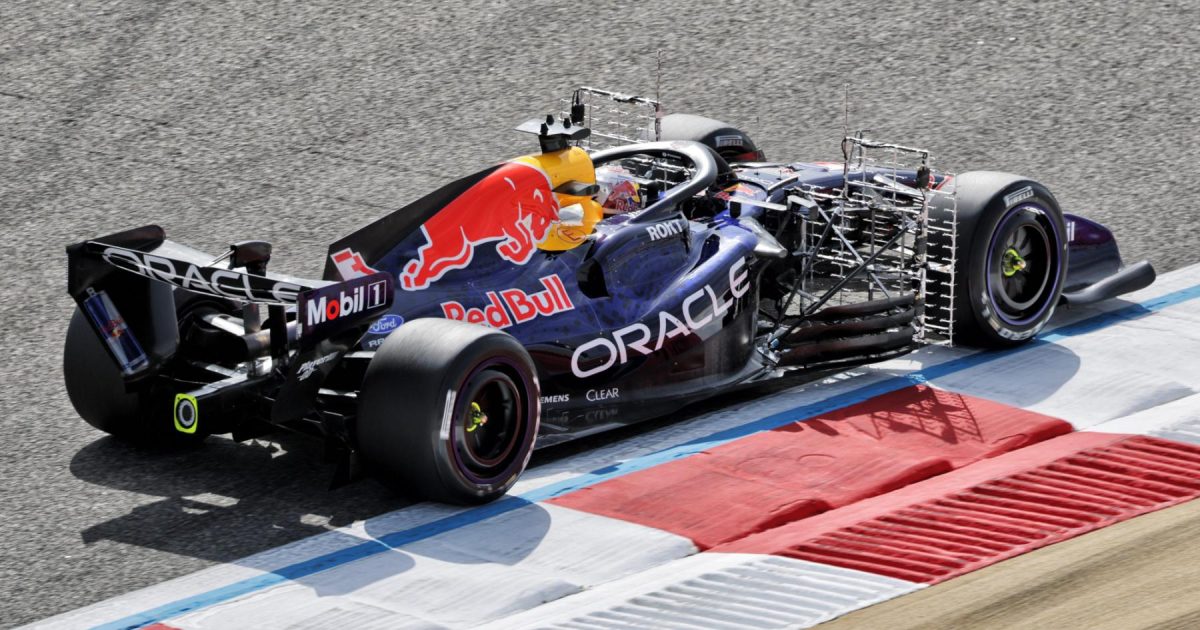
Red Bull’s RB22 featured an interesting rear cooling vent re-profiling close to the halo, contrasting with Aston Martin’s solution and emphasizing differences in vent cross-sections and internal ducting of sidepods.
Heat dissipation intakes not only manage PU operating temperatures but also utilize hot outflow to enhance the Coanda effect, influencing airflow against the bodywork towards the rear axle for aerodynamic benefits.
Placing cooling vents far from the rear axle minimizes potential disruptions to the rear wing from turbulent air, guiding airflow effectively by leveraging temperature differentials to create low-pressure zones for aerodynamic load generation and air extraction optimization.
Despite Verstappen’s promising lap times, the Red Bull car centers around a reliable PU, supporting optimal electrical charge deployment for engineers to enhance aerodynamic and dynamic performance, setting the stage for performance development during the upcoming second test.