P1racenews AI automatic summary:
The contentious F1 drivers’ championship fight between Alain Prost and Ayrton Senna exploded into full-blown controversy at the 1989 Japanese Grand Prix — and FISA, the motorsport governing body, caused further outrage at McLaren.
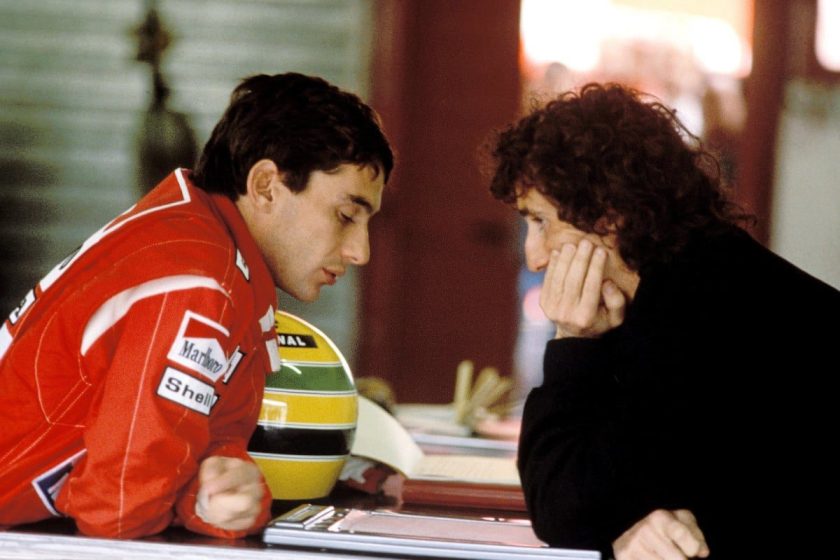
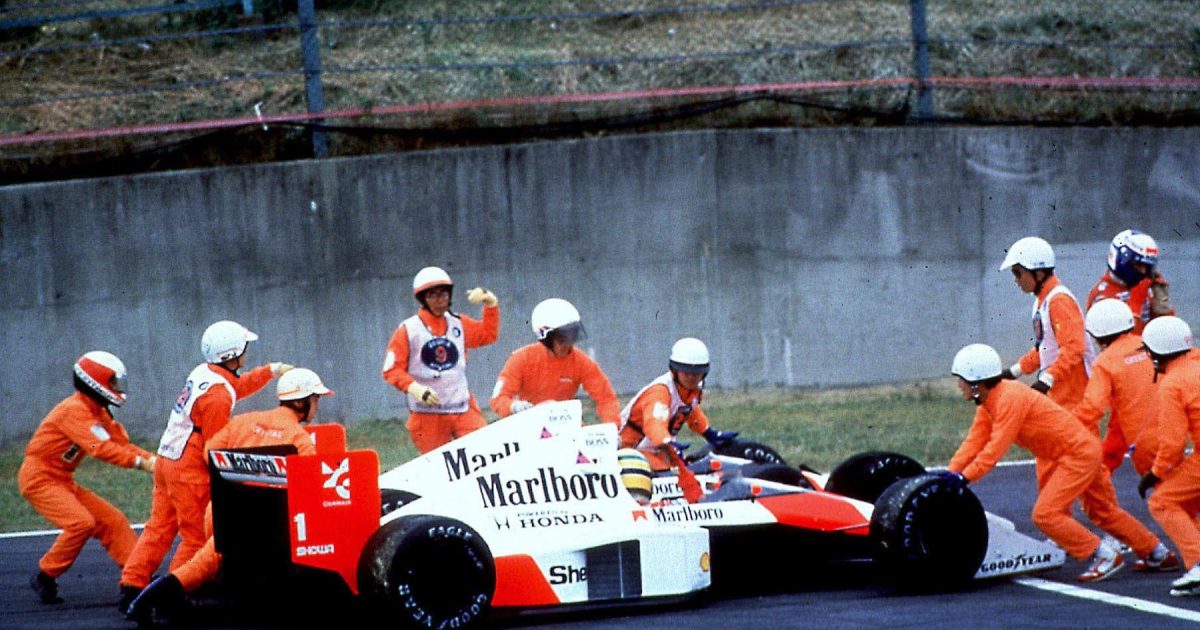
Thirty-six years ago today, the 1989 Japanese Grand Prix at Suzuka Circuit unfolded as one of the most controversial championship deciders in F1 history, shaping the sport’s governance. The race featured a showdown between McLaren teammates Alain Prost and Ayrton Senna, with major implications for the championship and FISA’s authority. Prost held a sizeable lead over Senna, who needed a win to stay in contention, setting the stage for high stakes rivalry and intense scrutiny on decision-making. The race itself saw Prost strategically take the lead from Senna, leading to a critical moment on lap 47 when Senna attempted a risky overtake, resulting in a collision and both cars off the track. Senna’s bold comeback drive to victory was overshadowed by his disqualification for cutting the chicane, sparking a firestorm of debate and raising questions about fair play and governance in Formula 1.
This incident became a turning point that transcended mere competition, shedding light on the complexities of sportsmanship and rules enforcement in elite motorsport. The aftermath of Senna’s disqualification showcased the delicate balance between fierce competition and adherence to sporting regulations, highlighting the challenges faced by governing bodies in managing high-profile conflicts. The legacy of the 1989 Japanese Grand Prix endures as a cautionary tale of the thin line between fair play and controversy in the world of Formula 1, leaving a lasting impact on both the sport’s history and its future evolution.