Seventy-five years ago, Giuseppe Farina won the first world championship grand prix at Silverstone driving an Alfa Romeo 158 weighing between 650 and 700kg. Formula 1 established a minimum weight of 450kg in 1961, a sharp contrast to the current 800kg minimum teams struggle to meet due to advanced technologies.
Including the driver, the weight comparison from 1995 reveals a significant increase to 595kg, a difference of 205kg over the years. The introduction of hybrid powertrains contributed about 100kg, bringing the current PU minimum weight to 151kg, significantly more than the 90-100kg V10 engines of the late ’90s.
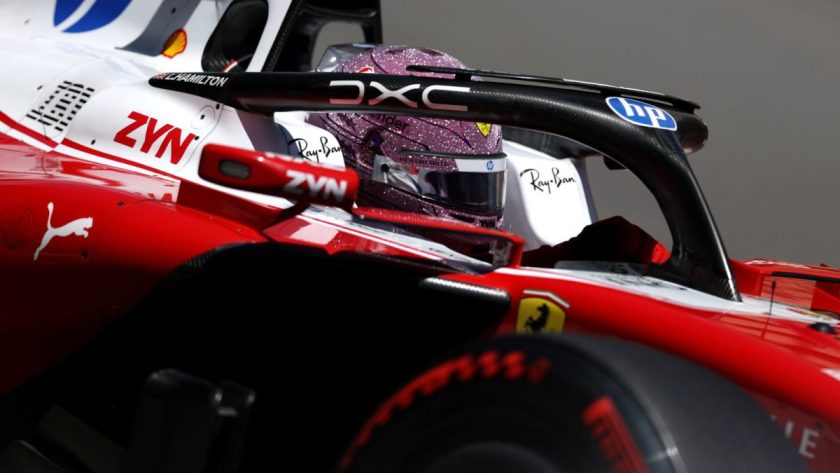
Additional weight factors include safety features like the halo and side-impact structures, which have made the cars safer but heavier. Design changes influenced by improving aesthetics, such as wider wheels, have added weight, affecting performance and overtaking.
FIA Single Seater Director, Nikolas Tombazis, highlighted the desire for lighter cars in the future, balancing financial, technological, environmental, and excitement factors in the evolution of Formula 1. Although challenging, potential weight resets could address some elements contributing to the current car bloat, challenging the sport’s stakeholders.