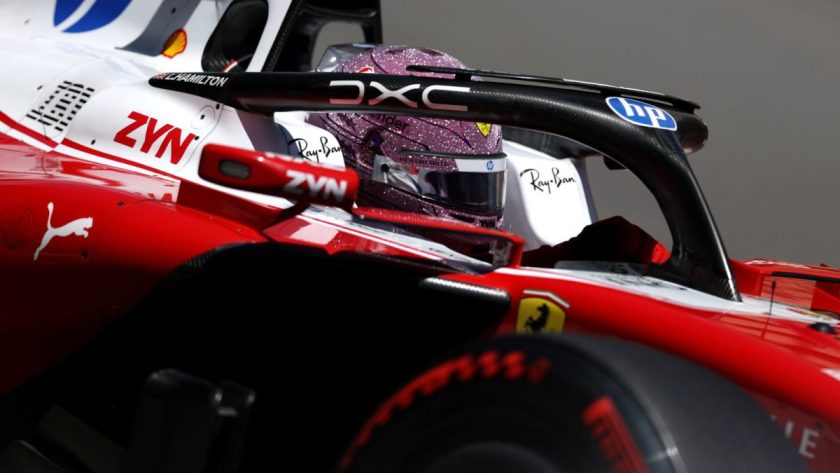
From 1999 to 2004, Ferrari dominated Formula 1 with six consecutive constructors’ championships and five drivers’ championships, showcasing unparalleled success on the track. The team’s peak performances in 2000, 2002, and 2004, where they won the majority of grands prix, solidified their legendary status. Ferrari’s F2004 car set enduring lap records at various circuits, underlining their technical prowess.
During this era, Ferrari faced allegations of cheating from competitors who struggled to keep up with their remarkable achievements, a common theme in the competitive world of Formula 1. McLaren’s recent dominance in the sport drew comparisons to Ferrari’s past glory, sparking debates and conspiracy theories among disillusioned rivals.
Andrea Stella, McLaren’s team principal, who previously worked at Ferrari during their successful period, emphasized the importance of excellence and competition in driving team performance. Stella highlighted McLaren’s unique journey, noting the team’s rapid progress and collective approach devoid of individual superstars, mirroring Ferrari’s successful model years ago.
The transformative period at Ferrari, led by key figures like Jean Todt, Ross Brawn, and Michael Schumacher, marked a shift towards a culture of collaboration and collective responsibility. This strategic culture shift enabled Ferrari to reclaim their competitive edge and achieve championship success after years of drought, a lesson that resonates with McLaren’s current approach to teamwork and progress in Formula 1.