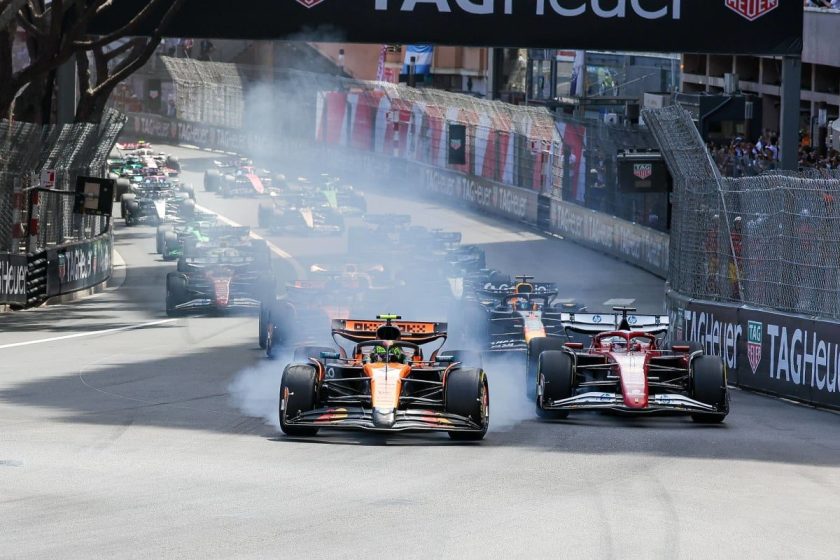
A high-degradation track with surface temperatures reaching nearly 50C set the stage for a McLaren one-two finish, placing a premium on tire management throughout the race. Red Bull strategically opted for a bold three-stop strategy to challenge McLaren’s tire management advantage, attempting to disrupt the expected outcome of the race. This aggressive approach was a direct response to McLaren’s strengths and their dominance in previous races, particularly in tire management over extended periods.
The decision to pursue a three-stop strategy was made early by Red Bull, aiming to counter McLaren’s pace and tire advantage, especially after Lando Norris displayed superior overtaking abilities on track. Red Bull recognized the necessity of a different approach to apply pressure on McLaren and attempted to exploit the soft tire’s performance advantages in Barcelona. Despite the strategic focus on aggressive racing, the drawbacks of the three-stop strategy, including time spent in pits and traffic management, were acknowledged.
As the race progressed, the battle between McLaren and Red Bull intensified, with Verstappen challenging McLaren’s tire management capabilities by pushing performance limits on the track. Red Bull made critical decisions during pitstops, such as ensuring Verstappen rejoined ahead of Hamilton, to maintain strategic position and exploit potential race opportunities. The race dynamics shifted when Verstappen transitioned to medium tires and mounted a strong push for a potential undercut, prompting McLaren to reassess their tactics and defensive strategies on the pitwall.
As the race entered a crucial phase with Verstappen’s aggressive three-stop strategy, McLaren had to adapt their approach to safeguard their position and respond effectively to Red Bull’s strategic moves. The fierce competition and strategic maneuvers by both teams added an element of unpredictability and excitement to the race, showcasing the tactical prowess and driving skills of the teams and drivers involved.