Mercedes driver George Russell sarcastically remarked that the new measures clearly slowed down McLaren significantly, portraying a sense of satisfaction. The focus ahead of the Spanish Grand Prix was overwhelmingly on the issue of aero-elasticity, dominating discussions and media coverage. The tightening of regulations by the FIA to monitor wing flexibility further fueled the debate among top teams, particularly Red Bull, which accused McLaren of exploiting aerodynamic advantages. Despite high expectations, McLaren maintained its pace during the practice sessions, leaving many disappointed by the lack of immediate changes following the implementation of new tests. Red Bull’s Max Verstappen attributed the performance gap to track behavior rather than aero properties, questioning the need for swift changes in regulations. The controversy surrounding aero-elasticity emphasizes the fine line between innovative engineering and rule compliance in Formula 1, sparking ongoing debates and scrutiny within the sport.
Related posts
-

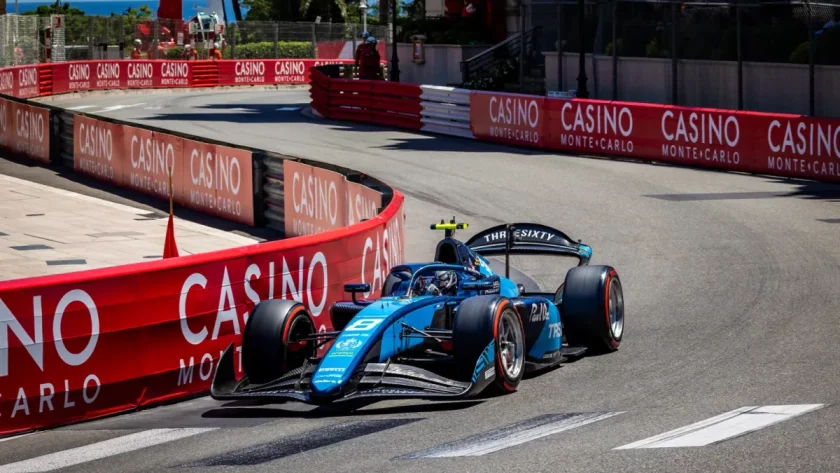
Unleashing the Thrills: Formula 2 Delivers Spectacular Action at 2026 Monaco Grand Prix
Nikola Tsolov won the Formula 2 Feature Race in Monaco, behind were Alex Dunne and Dino... -
Ollie Bearman’s Monaco Frustration: A Lap Thwarted by Fate
Ollie Bearman left Monaco GP qualifying frustrated, believing he had enough pace to progress into Q2... -

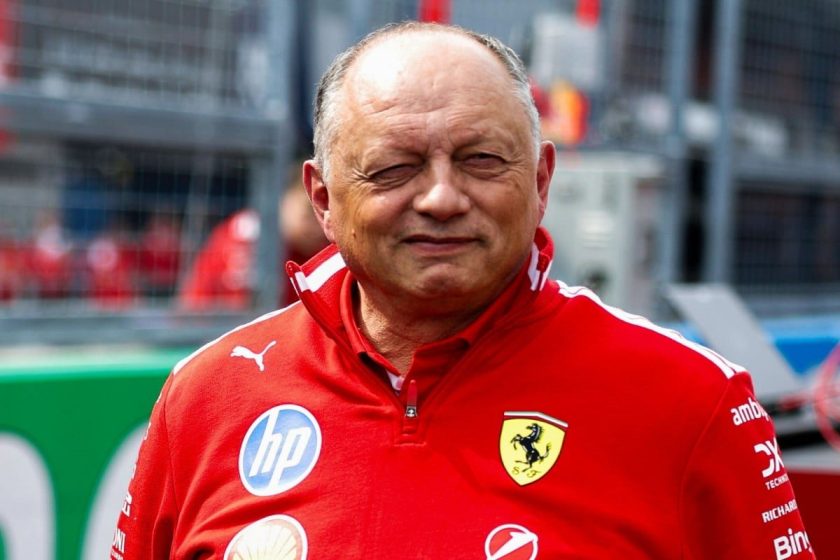
Courage in the Fast Lane: Fred Vasseur’s Resilience Shines Through Health Update Amidst Monaco Grand Prix Drama
Ferrari F1 team boss Fred Vasseur spent Saturday at a local hospital for medical checks but... -
Revving Up the Excitement: MotoGP Hungary’s Balaton Park Warm-up Results Unveiled
Warm-up results from the 2026 Hungarian MotoGP at Balaton Park, round 8 of 22. -
Lewis Hamilton ranks 2026 F1 cars as favourite Monaco GP era revealed
Lewis Hamilton is not a fan of the 2026 Formula 1 machinery around Monaco, despite taking... -
Exclusive: F1 Sensation Denied Entry to Prestigious Monaco Grand Prix, Requires Security Escort
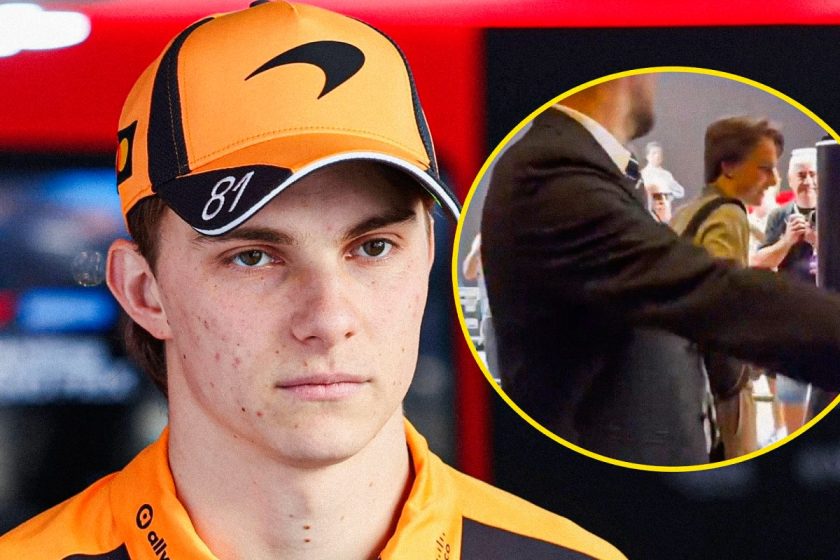
Oscar Piastri ran into trouble with security as the McLaren star got Monaco Grand Prix weekend...