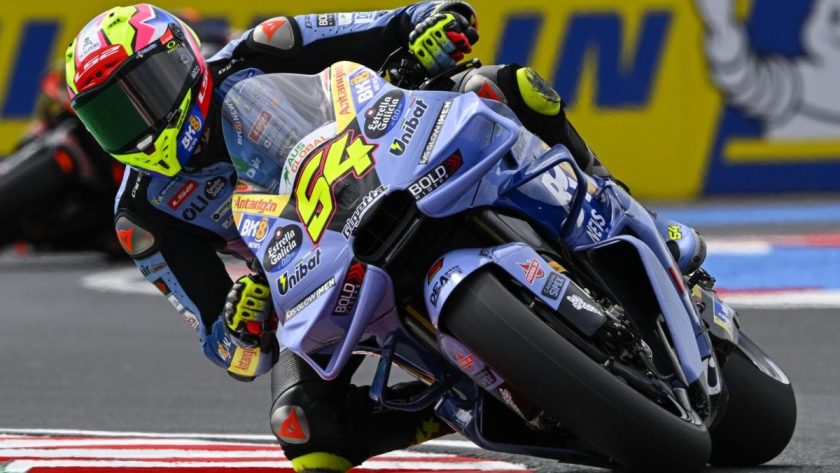
Yamaha’s V4-engined MotoGP bike, being developed, was reportedly two seconds slower per lap compared to their current inline-four racer in recent Brno testing, as indicated by factory rider Alex Rins. The manufacturer has been actively working on the V4 engine project since last year, following Suzuki’s departure, making Yamaha the sole MotoGP brand sticking with an inline-four setup. During a private test at Brno with Miguel Oliveira, the V4 project was in progress with test riders Augusto Fernandez and Andrea Dovizioso. Rins expressed eagerness to test the new bike, only to have his attempts denied by the team and being reprimanded for uploading a video of the bike in action. Despite noting a two-second gap between his bike and the V4 during the test, Rins believes the actual difference may be less due to the limited laps the V4 could perform. His teammate, Quartararo, anticipates testing the V4 in September at Misano, and also looks forward to returning to Brno, highlighting the track’s layout and new asphalt as positive aspects.
Related posts
-

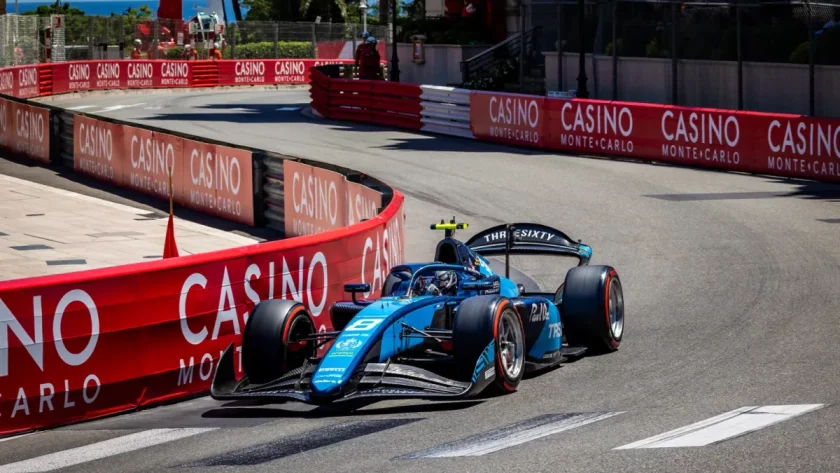
Unleashing the Thrills: Formula 2 Delivers Spectacular Action at 2026 Monaco Grand Prix
Nikola Tsolov won the Formula 2 Feature Race in Monaco, behind were Alex Dunne and Dino... -
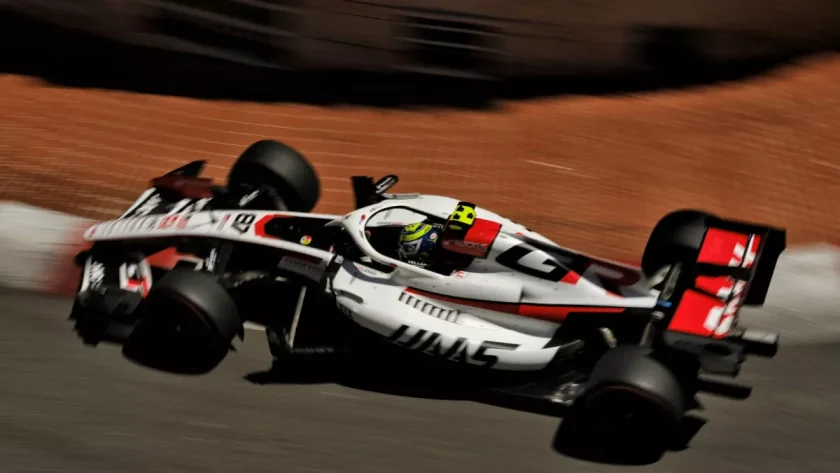
Ollie Bearman’s Monaco Frustration: A Lap Thwarted by Fate
Ollie Bearman left Monaco GP qualifying frustrated, believing he had enough pace to progress into Q2... -

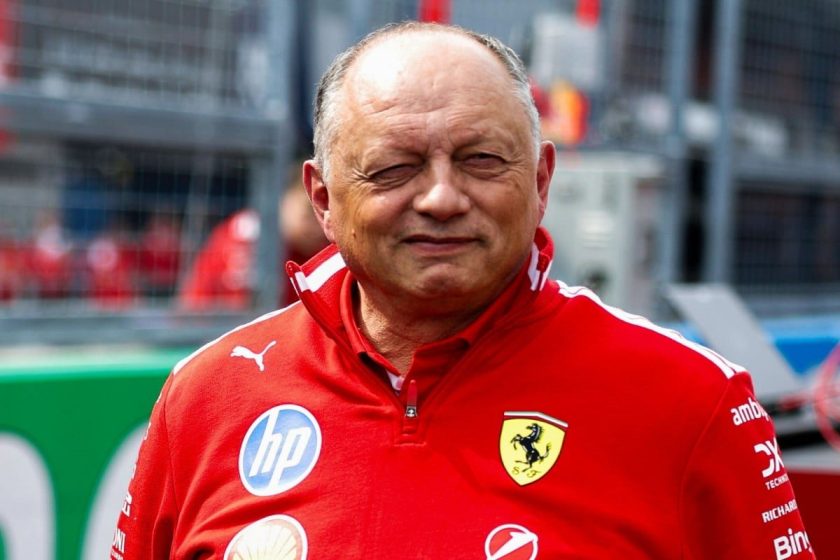
Courage in the Fast Lane: Fred Vasseur’s Resilience Shines Through Health Update Amidst Monaco Grand Prix Drama
Ferrari F1 team boss Fred Vasseur spent Saturday at a local hospital for medical checks but... -
Revving Up the Excitement: MotoGP Hungary’s Balaton Park Warm-up Results Unveiled
Warm-up results from the 2026 Hungarian MotoGP at Balaton Park, round 8 of 22. -
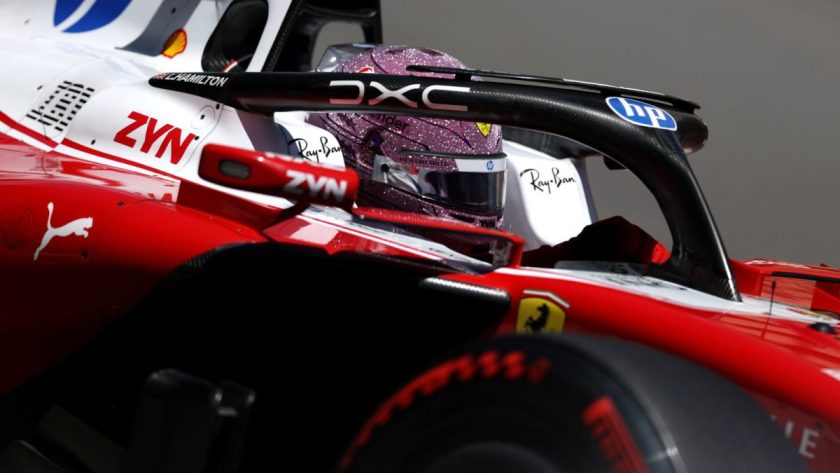
Lewis Hamilton ranks 2026 F1 cars as favourite Monaco GP era revealed
Lewis Hamilton is not a fan of the 2026 Formula 1 machinery around Monaco, despite taking... -
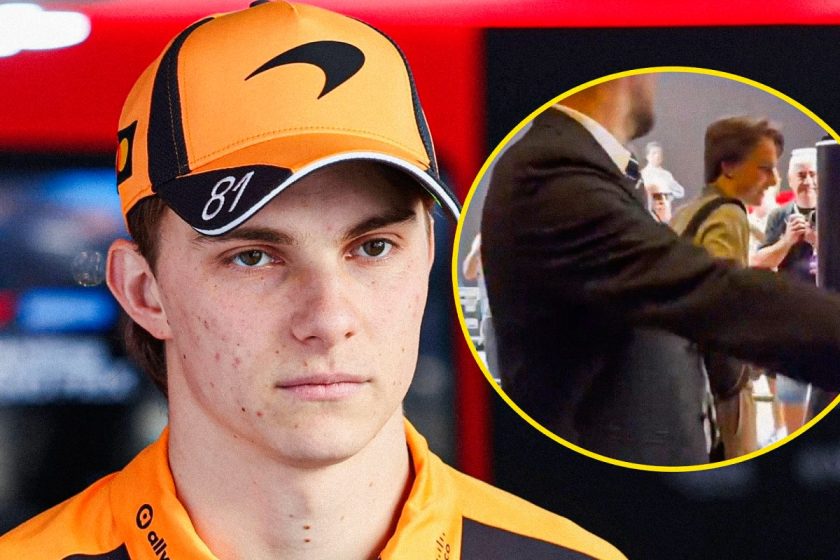
Exclusive: F1 Sensation Denied Entry to Prestigious Monaco Grand Prix, Requires Security Escort
Oscar Piastri ran into trouble with security as the McLaren star got Monaco Grand Prix weekend...