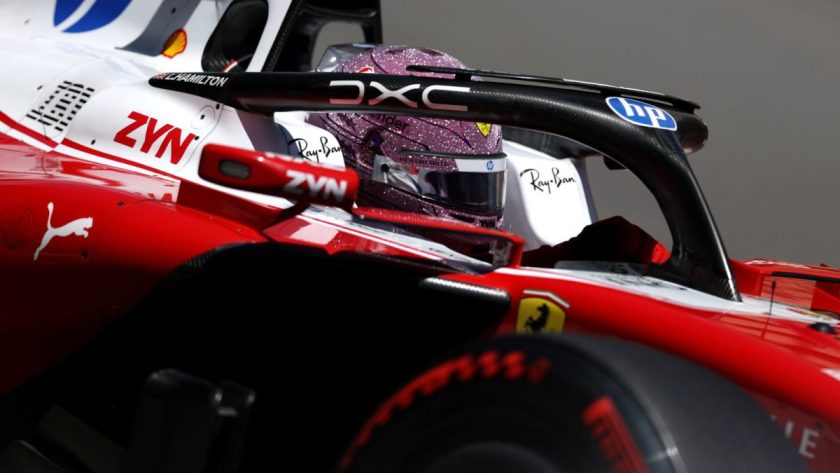
When Formula 1 switched to turbocharged hybrid power units in 2014, Mercedes had dedicated more resources to the project than any other manufacturer, leading to almost five seasons of domination. Some team principals are concerned that the upcoming shift to new power units with increased electrical deployment could mirror the challenges faced in 2014.
The underlying anxiety in Formula 1 has been apparent for months, with reactions like the short-lived V10s nostalgia and Alpine’s switch from Renault to Mercedes power units. Recently, Audi’s engine chief, Adam Baker, was ousted in a management restructuring, raising concerns about the future of their F1 engine program.
Audi’s F1 engine program operates as a separate company under Audi Sport, with Baker overseeing development since 2022. The recent shake-up follows reports of trouble within the Audi engine program and CEO Gernot Dollner’s intervention in crucial F1 stakeholder meetings.
Efforts are being made to address the imbalance in performance across manufacturers, with discussions ongoing about enhancing catch-up provisions within the 2026 rules while navigating financial constraints imposed by the sport. The goal is to facilitate development work for struggling teams under the cost cap without resorting to artificial measures to boost engine performance.
Overall, the F1 landscape is evolving, with key players adapting to new regulations and striving for competitiveness amid the changing technological landscape.