McLaren has explained why it sometimes looks at other teams F1 upgrades, and used a controversial F1 device in its reasoning.
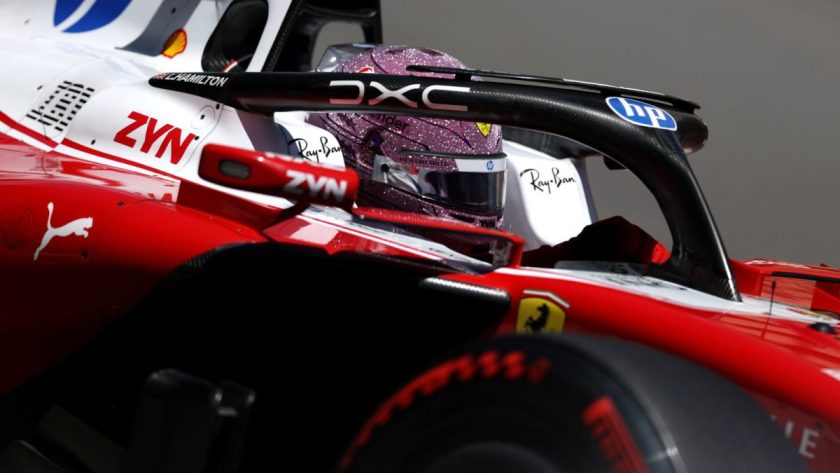
McLaren’s chief designer, Rob Marshall, has discussed the team’s strategy of examining and potentially replicating upgrades from rival teams, highlighting the influence of the 2009 double diffuser in this approach. Marshall emphasized that, with F1 embracing new chassis technical regulations, teams can make significant progress with their upgrades, attracting the attention of competitors. McLaren is set to introduce substantial upgrades to their MCL40 model at the Miami and Canadian Grands Prix, drawing inspiration from innovations by teams such as Ferrari, Audi, and Aston Martin, like the distinctive ‘macarena’ rear wing from Scuderia Ferrari.
Marshall elaborated on the significance of studying competitors’ upgrades, citing the infamous case of the double diffuser in 2009, embraced initially by Brawn, Toyota, and Williams. The designer highlighted the meticulous analysis carried out by McLaren to evaluate the feasibility and potential benefits of rival innovations, incorporating methods like wind-tunnel and CFD testing. Marshall acknowledged the common belief in F1 that direct replication may not always be successful across different car models but emphasized the historical success of strategies like adopting the double diffuser. Ultimately, Marshall stressed the importance of not just copying but comprehensively understanding the objectives and concepts behind rivals’ developments to effectively enhance their own performance and innovation within the competitive realm of Formula 1.