P1racenews AI automatic summary:
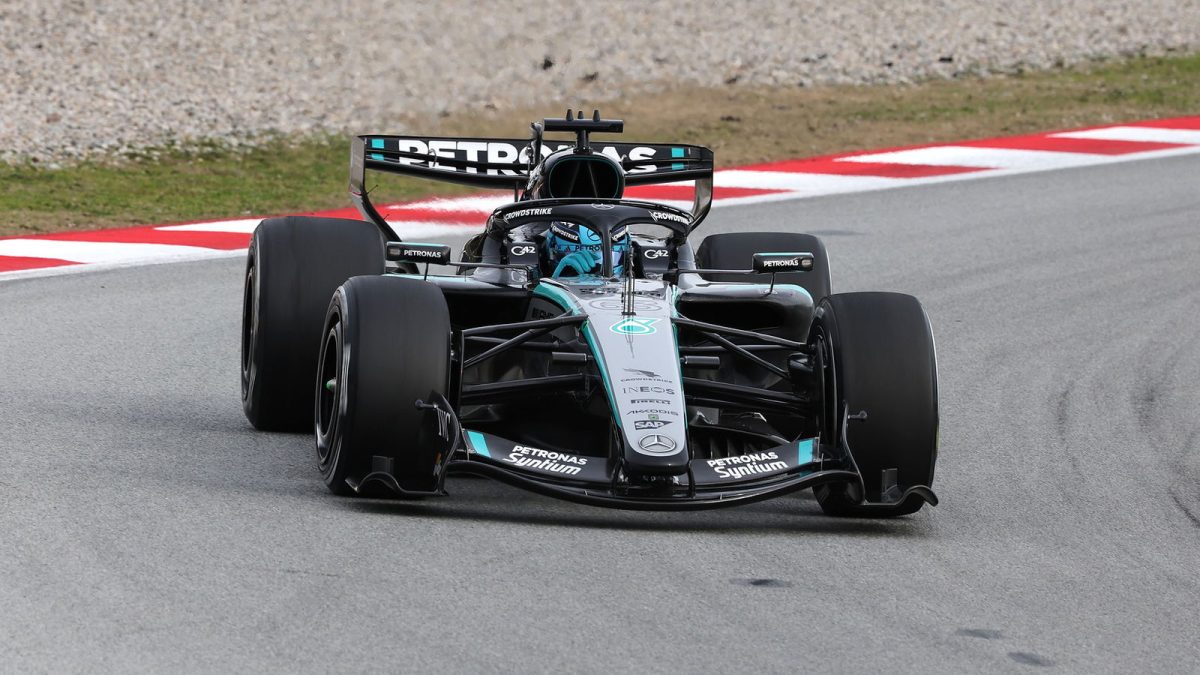
The new generation of Formula 1 cars weren’t met with great enthusiasm by drivers when they were first tried in the simulator last year. But after the first real test of the new machines in Barcelona, the outlook from some corners has changed completely. Mercedes duo George Russell and Andrea Kimi Antonelli go in-depth on how the new cars feel to drive
The 2026 Formula 1 season features a substantial technical overhaul, marking a shift towards lighter, smaller, and more potent machinery, bidding farewell to the ground effect cars from 2022. The updated regulations bring significant modifications to the aerodynamics, introducing active aerodynamics on the front and rear wing. Additionally, the new power units offer enhanced performance with a balanced mix of internal combustion and electrical energy, eliminating the MGH-H element.
These unprecedented alterations aim to elevate the on-track excitement, although the effectiveness of these changes remains a topic of debate after only one test run. Mercedes’ George Russell and teammate Andrea Kimi Antonelli discussed the driving experience of the 2026 cars during a media briefing, emphasizing that despite the reduced speed, the cars remain enjoyable to drive, accentuating a lighter and more agile feel.
Overall, the drivers expressed satisfaction with the updated cars’ handling, highlighting enhanced maneuverability in slow-speed corners and an improved setup flexibility due to the absence of bouncing. Despite initial apprehensions, the evolution of the new regulations is anticipated to shape the future of Formula 1, with drivers embracing the challenges and nuances of the revamped technology. The overall consensus affirms that the 2026 cars maintain the essence and spirit of Formula 1.