P1racenews AI automatic summary:
Two brand new F1 teams will enter in 2026. Audi and Cadillac are eyeing the recent success of McLaren and Red Bull.
Formula 1 is on the verge of its most significant technical revolution since the hybrid era began in 2014, with a major shift in power unit design and grid size scheduled from 2026. The upcoming changes will introduce a 50/50 ratio between internal combustion engine and battery power, a drastic departure from the current 80/20 setup. This marks a bold step towards electrification in the history of the sport. Pre-season testing kicks off on 26th January at the Circuit de Barcelona-Catalunya, leading up to the Australian Grand Prix as the opening round on 8th March, where Melbourne’s Albert Park will become the first battleground for the 22-team grid.
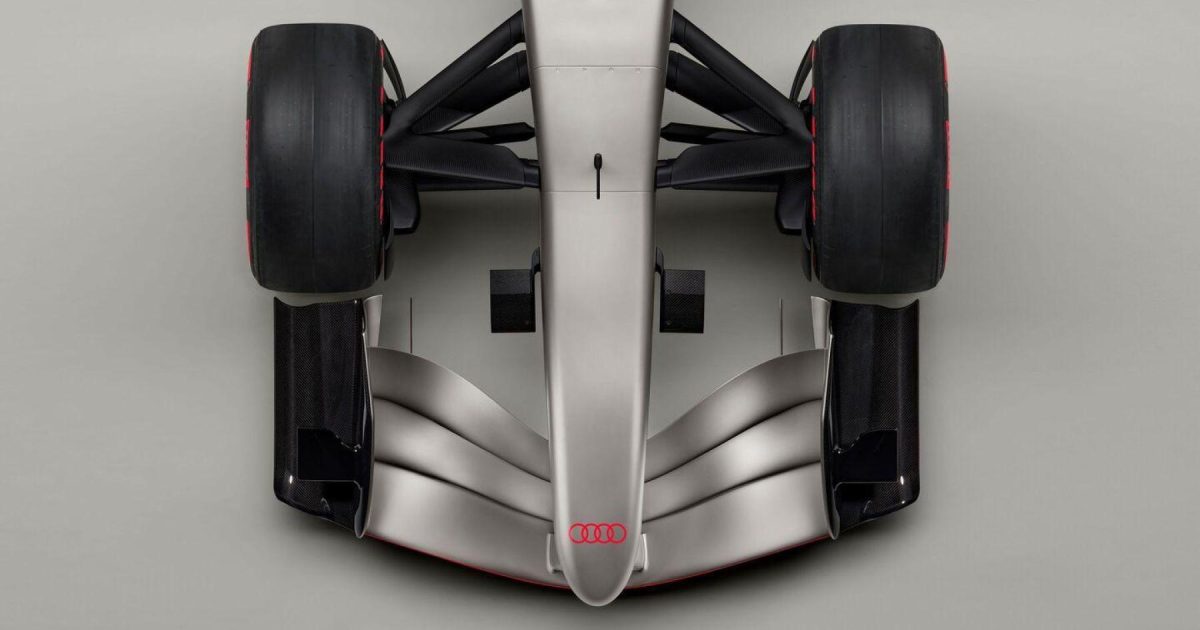
Audi’s entry into F1 signifies a strategic move by the Volkswagen Group to cement its racing prowess, targeting a world championship by 2030. Backed by Qatari investment fund QIA, Audi has acquired Sauber to strengthen its foothold and maximize resources in Hinwil and Germany. The project features the technical expertise of Nico Hulkenberg and raw talent of Gabriel Bortoleto, led by team principal Jonathan Wheatley to drive Audi’s championship ambitions forward.
Cadillac’s journey to F1 has seen hurdles overcome with General Motors’ increased involvement, culminating in a rebrand and partnership with Ferrari for power units until 2029. The technical team, including drivers Sergio Perez and Valtteri Bottas, is focused on leveraging their experience to ramp up competitiveness in the fiercely competitive field. Graeme Lowdon takes the helm as overall leader, with seasoned experts like Nick Chester and Pat Symonds supporting the Cadillac dream of making a mark in the world of Formula 1.