P1racenews AI automatic summary:
F1’s new 2026 cars have certainly divided opinion across their early running and some elements to them are just plain weird
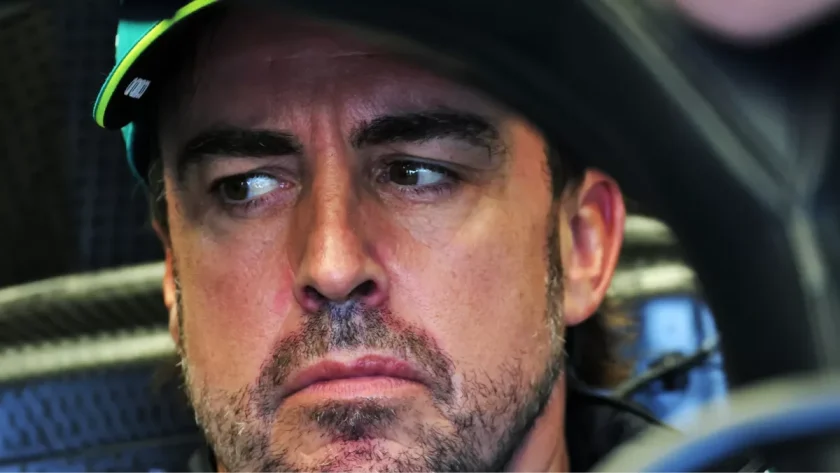
Formula 1’s new 2026 cars, especially the engines, have sparked intense debates early on, with some features being more unconventional than others. The significant rule changes were bound to bring about unforeseen consequences or outcomes different from expectations. While dramatic predictions and worst-case scenarios were circulating for years leading up to these regulations, not all have materialized, but some peculiar aspects stand out. Following the initial viewing and feedback from drivers, here are the most unusual consequences of the regulations so far. One notable development is the emergence of ‘super clipping,’ a distinctive method of battery charging that’s drawn attention. The concept of clipping was familiar during the hybrid engine era, and now ‘super clipping’ involves a strategic use of the MGU-K on long straights to balance energy deployment. This practice helps recharge the battery faster, potentially reducing the need for lift-and-coast strategies around the track. McLaren is particularly interested in utilizing super clipping to create a more consistent and predictable energy management approach, aiming to eliminate lift-and-coast altogether and enhance overall performance. Additionally, the new regulations have led to a split of opinions, with Fernando Alonso even humorously suggesting that anyone, including journalists or the team chef, could drive the car as conservatively as necessary.