P1racenews AI automatic summary:
Why F1 2026 starts are a ‘recipe for disaster’ – and how to fix it
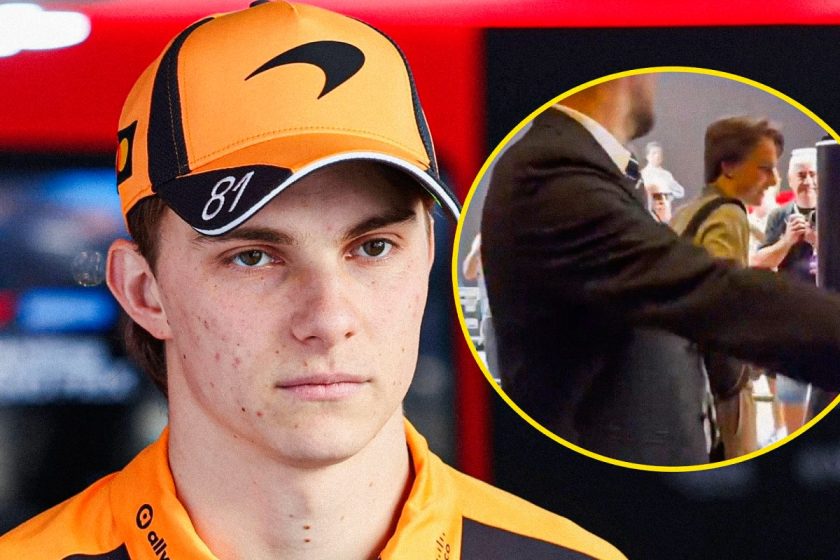
Oscar Piastri expressed concerns about Formula 1 potentially facing a “recipe for disaster” if start procedures are not revised before the upcoming season. Many drivers and team members have highlighted the urgent need to address the complexities of launching the new cars effectively. The combination of intricate start procedures, including turbo spooling for up to 10 seconds, and the potential for accidents if things go awry during starts, has raised alarm within the paddock. Piastri emphasized the risk of multiple cars getting stuck on the grid, rather than just individual slow starts, potentially leading to significant position losses.
George Russell acknowledged that managing race starts has proven challenging and a nightmare for engineers. He pointed out the difference between practice starts, where drivers wait for optimal turbo boost, and race starts, where they must react to the lights immediately, potentially impacting turbo spool timing. As drivers contend with the complexity of launching the 2026 cars, the focus is on timing issues rather than overhauling the technology completely. Possible solutions include establishing a minimum time before the start light sequence begins to allow drivers to optimize their turbo boost and potentially using the battery off the line to compensate for turbo lag.