P1racenews AI automatic summary:
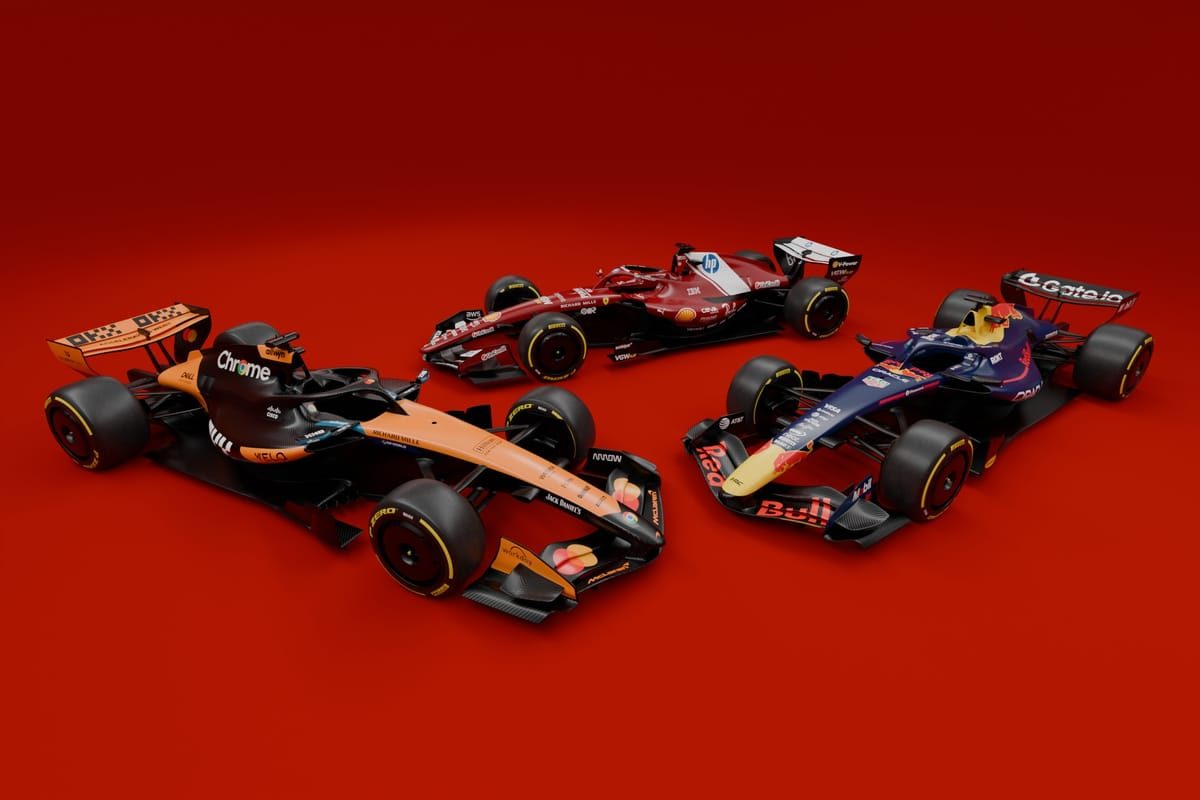
Will there be another curveball equivalent to the early-2022 porpoising when the 2026 F1 cars first hit the track?
The major rules shake-up in Formula 1 continues to intrigue as the 2026 cars’ true nature remains a mystery until they hit the track. This uncertainty presents a unique challenge for car designers as they navigate the clean-sheet regulations and potential for a major order reshuffling. Designing new cars under the impending chassis and engine overhaul brings both opportunity and risk, as teams may have pursued the wrong development path or missed key design elements crucial to success.
The nervousness among teams designing the cars stems from the complex task of balancing downforce and drag levels for the new moveable wings, particularly in relation to the characteristics of the new power units. Finding the optimal balance is critical, as too much drag can deplete energy rapidly while insufficient downforce could be costly in corners. Teams are tasked with deciphering where they stand in comparison to rivals, adding to the uncertainty surrounding their design decisions.
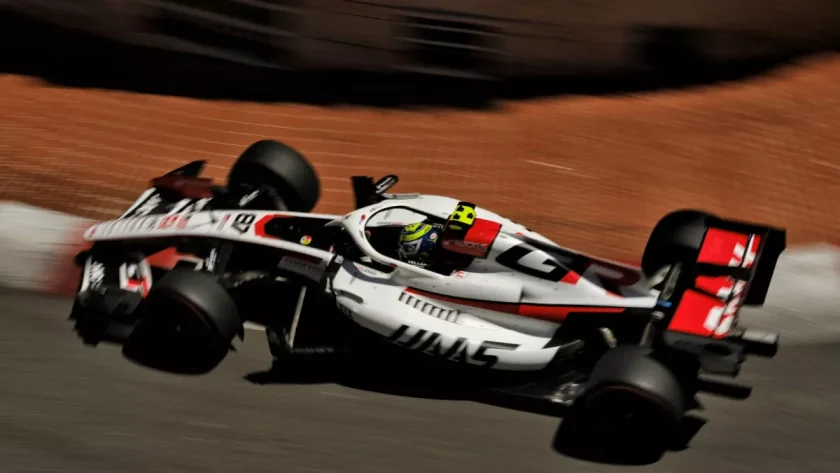
The rapid learning process at the start of the season will require teams to adapt quickly to new developments from rivals, making it challenging to finalize update plans. To stay competitive, teams like Haas are strategically planning step-by-step updates and aiming to be aggressive in production timing to optimize their performance for the first race. The evolution of power units and the intricate design elements present significant challenges in preparing for the 2026 season, highlighting the need for flexibility and adaptability in the face of uncertainty.