P1racenews AI automatic summary:
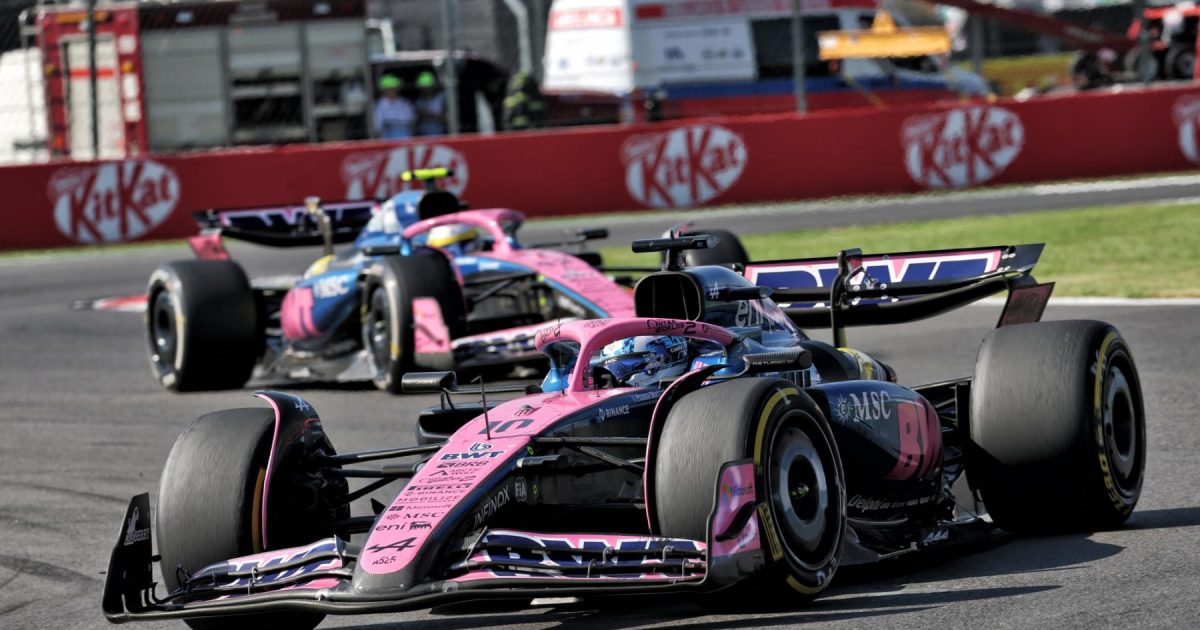
Alpine endured a difficult weekend at the Mexico City Grand Prix. RacingNews365 technical expert Paolo Filisetti explains the problems that put Pierre Gasly and Franco Colapinto on the back foot.
Throughout the Mexico City Grand Prix weekend, it was evident that the main performance factor at the Autodromo Hermanos Rodriguez is the thin air at the extreme altitude of Mexico City. This thin air, with roughly 30% lower density than at sea level, significantly reduces aerodynamic load and impacts heat exchange, posing challenges for cooling systems. Teams had to open up additional vents on their engine covers to aid in cooling and prevent brake overheating, which could lead to reduced braking efficiency and increased tire temperatures. Alpine faced performance issues in Mexico due to these cooling challenges, with their drivers finishing in the lower positions and struggling with brake heat and tire management. The A525’s power unit was also a setback, lacking acceleration power compared to rivals, especially noticeable on the long straight at the Mexico City circuit. Additionally, the strong downforce generated by the Alpine car design became a limitation at this high-altitude track where exploiting aerodynamic advantage was difficult. Overall, a combination of cooling underestimation, unsuitable chassis concept, and power unit deficiencies made Alpine’s Mexican Grand Prix weekend challenging.