At racing speeds, one of Pirelli’s blue-sidewalled ‘wet’ tyres can displace a remarkable 85 litres of water per second, although it is rare to see an F1 wet tyre operating at these speeds. The significant spray created by the wet tyres usually leads to red flag situations in races. Pirelli is working on improving the wet tyre’s performance to make it more usable, aiming to bring it closer to the performance of intermediate tyres for the 2026 season. A recent test conducted by Pirelli at Ferrari’s Fiorano circuit focused on validating the wet and intermediate compounds for the upcoming changes in F1 car designs. The goal is to establish a better ‘crossover point’ between wet and intermediate tyres to enhance their performance in changing track conditions. Pirelli’s continuous efforts aim to provide F1 drivers with more reliable and effective wet tyre options for future races.
Related posts
-

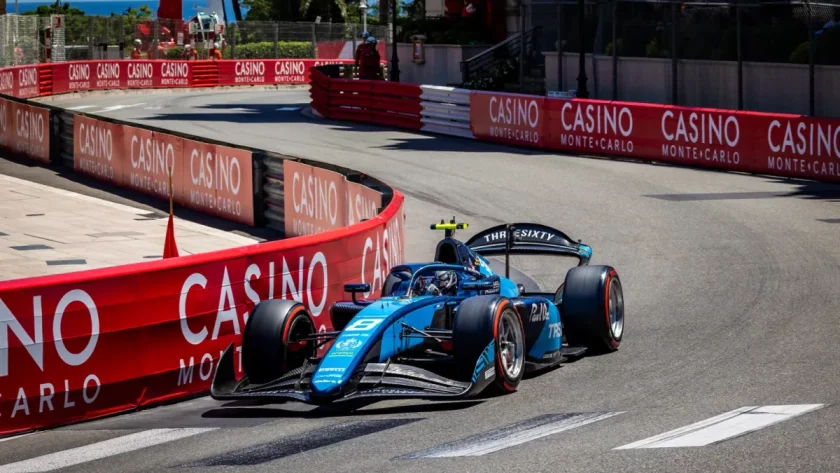
Unleashing the Thrills: Formula 2 Delivers Spectacular Action at 2026 Monaco Grand Prix
Nikola Tsolov won the Formula 2 Feature Race in Monaco, behind were Alex Dunne and Dino... -
Ollie Bearman’s Monaco Frustration: A Lap Thwarted by Fate
Ollie Bearman left Monaco GP qualifying frustrated, believing he had enough pace to progress into Q2... -

Courage in the Fast Lane: Fred Vasseur’s Resilience Shines Through Health Update Amidst Monaco Grand Prix Drama
Ferrari F1 team boss Fred Vasseur spent Saturday at a local hospital for medical checks but... -
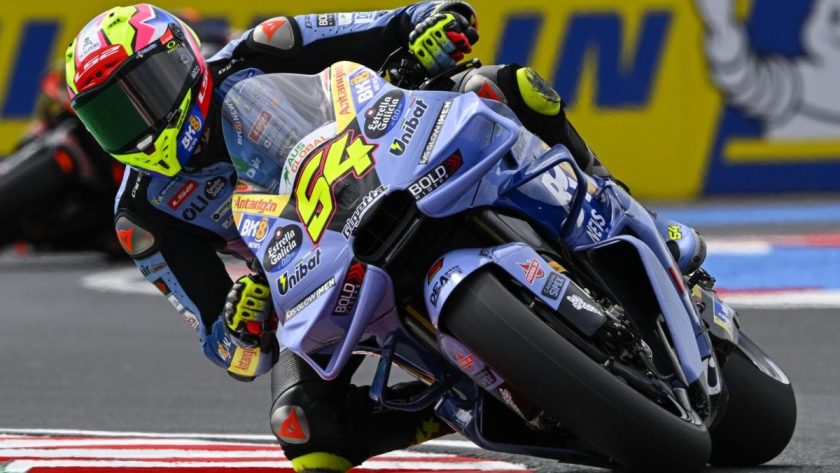
Revving Up the Excitement: MotoGP Hungary’s Balaton Park Warm-up Results Unveiled
Warm-up results from the 2026 Hungarian MotoGP at Balaton Park, round 8 of 22. -
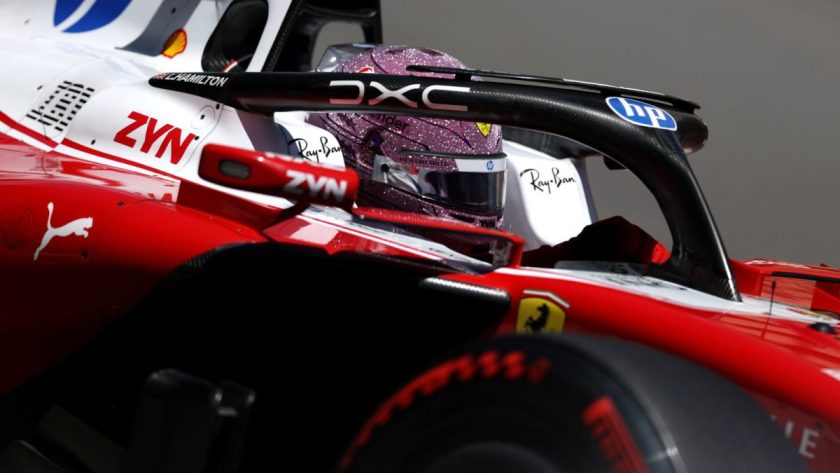
Lewis Hamilton ranks 2026 F1 cars as favourite Monaco GP era revealed
Lewis Hamilton is not a fan of the 2026 Formula 1 machinery around Monaco, despite taking... -
Exclusive: F1 Sensation Denied Entry to Prestigious Monaco Grand Prix, Requires Security Escort
Oscar Piastri ran into trouble with security as the McLaren star got Monaco Grand Prix weekend...