P1racenews AI automatic summary:
The ground effect era of F1 has had its fair number of flaws to say the least, but a lesser-reported one reared its head in the Canadian GP.
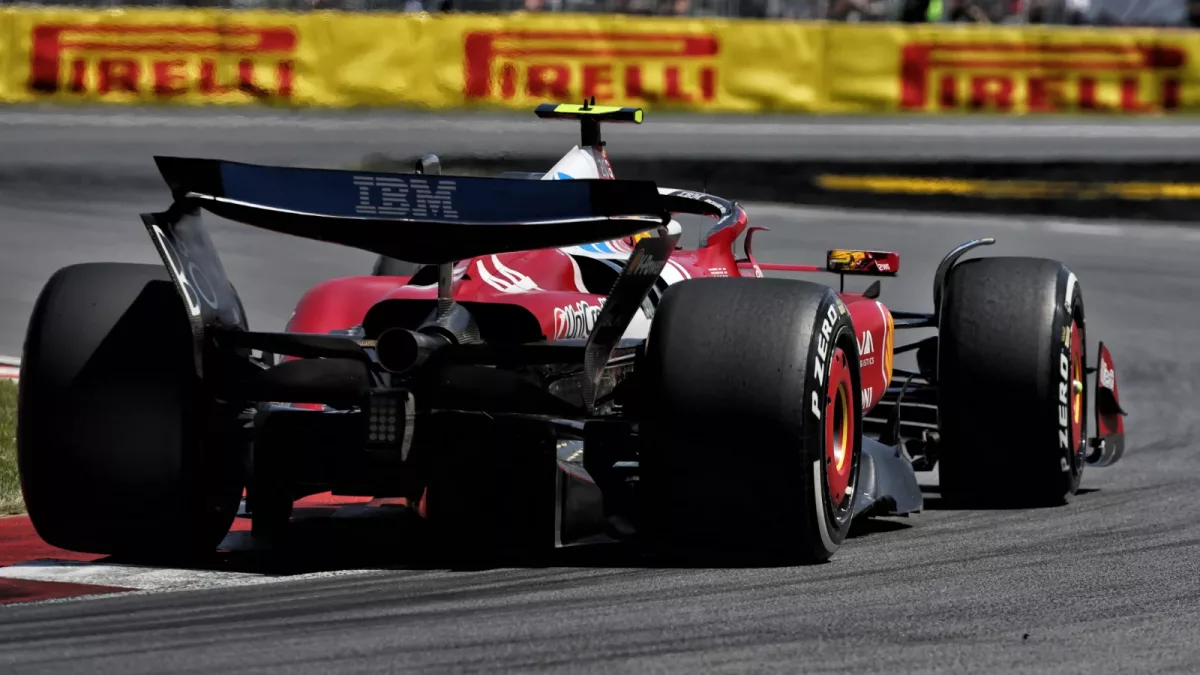
The ground effect era of Formula 1 has revealed numerous flaws, one of which was highlighted during the Canadian Grand Prix. Lewis Hamilton’s promising race took a turn on Lap 13 when he hit a groundhog, causing significant floor damage and affecting his downforce and lap times. This dependence on floor-generated downforce becomes a major setback for drivers as any damage to this critical component will impact their race results. The fragile nature of the current ground effect floors has become a notable issue under the F1 regulations, in contrast to the complexity of the previous era’s sidepods and bargeboards. Unlike the spaceship-like bargeboards of 2021 that were more robust, the current floors are highly susceptible to even minor damage, affecting drivers’ performance significantly. Ultimately, this flaw in the regulations poses a constant challenge for drivers and teams in maximizing their race performance in the competitive world of Formula 1.